We may earn a commission when you buy through our links, at no extra cost to you.
With kayaking season just around the corner, many people are scrambling to find the best gloves for their needs. However, buying a pair of gloves can be difficult with so many choices on the market today. That’s why we have created this guide to help you make an informed decision about what type of Kayak Gloves will work best for you.
Kayak Gloves are not always expensive. It’s worth your time to do some research on what type of gloves will work best for you. You must consider factors like fit, comfort and materials when shopping around for a pair of kayaking gloves that will serve you well this season.
Best Kayak Gloves Buying Guide
Materials: There is no right or wrong choice in materials but it’s important to know about each one so that you can find out which works best with your needs, preferences and budget. For example, neoprene is very strong but also waterproof which makes it ideal for water sports enthusiasts who need dry hands after their session . On the other hand, leather has traditionally been used as an insulator for many years and is often used to make linings for winter gloves.
Fit
Kayak Gloves should fit snugly but not tightly around your hands so that they can be worn with or without a wet suit, as well as over gloves if you need extra warmth on colder days. Your fingers should have room at the tips to allow an easy grip on the paddle or oar and your palms should be able to fit a few fingers comfortably between the glove cuff and wrist when you make a fist.
Thickness
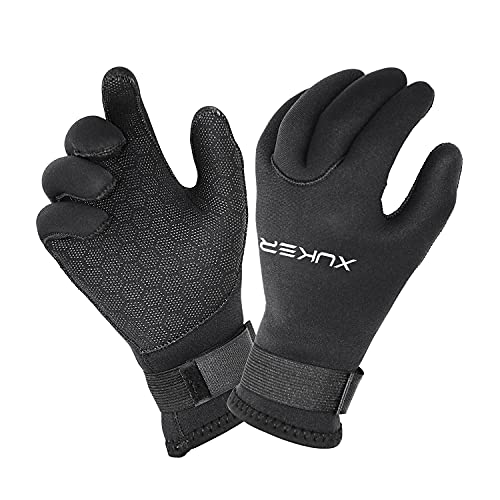
Neoprene is the thickest and most insulating material while leather is thinner but warmer. The Kayak Gloves are made of neoprene because it is very strong, waterproof, so your hands don’t get cold as easily when you use them in water sports like kayaking and other things that involve being wet such as fishing or sailing. On the other hand, there are gloves made of leather which is thicker than neoprene. This material is very warm and it doesn’t get wet easily because the fibers prevent water from soaking through them but they can be too thick to make use of your fingers well enough such as when you need to grip something tightly like a paddle or oar.
Stiffness
The stiffness of the glove is important because it will affect its ability to grip things and how well you are able to use your fingers. For kayaking gloves, a softer feel allows for more dexterity so that you can make better paddling movements such as when steering or correcting mistakes in your stroke. If you’re looking for something with stiffer material then they might be good if you want them for cold weather activities like skiing but not great if used during wet ones where having flexible materials that move with the hand is ideal
Sizes
The size of these gloves should depend on what kind of activity you will be using them for just like their thickness and rigidity. Kayakers typically wear large gloves which have space enough to fit over bulky clothes while some people might only need an extra small size which is better for wearing under other gloves, etc.
How To Take Care Of A Pair Of Kayaking Gloves
You should always start by inspecting the gloves for any damages. Make sure to inspect them when they are dry and then again after submersion in water. If you find tears or holes, repair these areas before use with a high-quality adhesive (e.g., Barge Cement) that is specifically designed for outdoor gear such as kayak gloves. You can also patch up small leaks from seams on your kayaking glove using duct tape.
Use an old toothbrush to scrub away any grease spots or other difficult stains first so that all of your work doesn’t go into removing dirt instead of improving the appearance of the gloves themselves. Once everything has been cleaned off, make sure not to wash them too much because this will cause the material to shrink.
Next, make sure to pay close attention to the seams on your gloves and repair or reinforce them as necessary. Check for any loose stitching by running a needle through each seam twice before sewing it up again with heavy-duty thread. Also take care not to accidentally undo other stitches when you’re working on these areas of the glove so that everything is strong enough for use in wet environments where things are prone to get soaked of all kinds.
Fingers vs Fingerless Kayaking Gloves
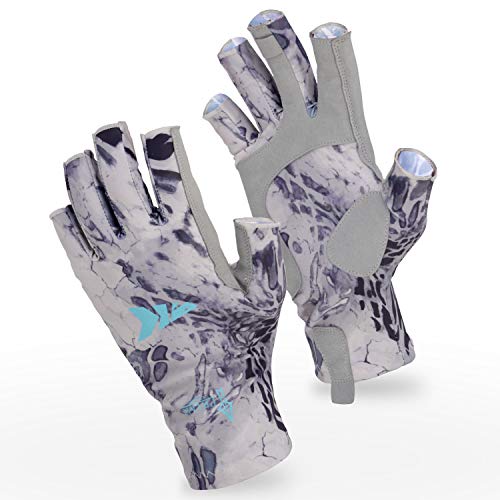
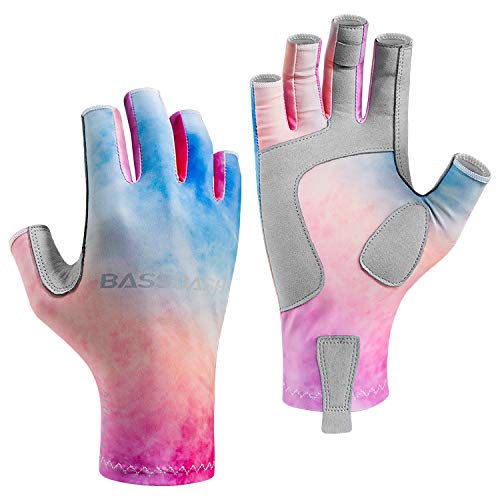
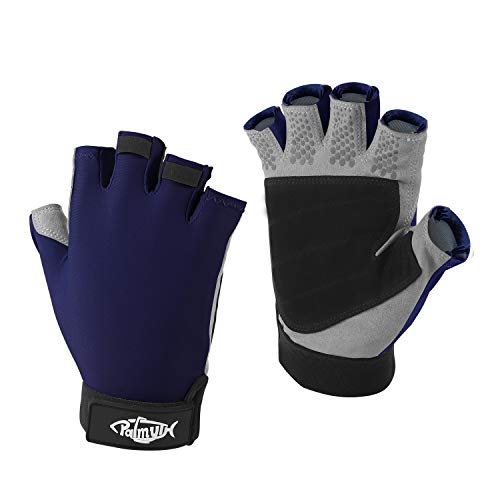
Fingers vs Fingerless Kayaking Gloves: Fingers are the most common type of kayaking gloves because they provide protection for your fingers while still being breathable enough to allow you to grip things. The downside is that, if it’s a really cold day and there’s no insulation between your hands and the water then all heat will be lost through these channels. This can cause serious problems as hypothermia becomes more likely due to having wet hands in an environment where heat loss is so high. Therefore, wearing fingerless versions on warmer days or when embarking on long journeys is recommended since this isn’t such a big problem with them and they’re also much easier to put back onto after taking them off than their fully-encased counterparts.
Conclusion
Depending on what kind of kayaking activity you’re doing, some gloves will be better than others for certain things like warm weather paddling where neoprene is more likely to get wet and make you colder when exposed to windy conditions while other kinds of Best Kayaks Gloves would work better in dryer climates.
In cold weather kayaking, insulated type Best Kayak Gloves are best as these keep your hand warmer longer without water seeping in.
This is because Kayak Gloves are made from a fabric that can hold more air and water vapor than other fabrics such as cotton or wool which means they keep your hands warmer for longer periods of time without the need to constantly dry them off after every activity.
The last thing you want is to have Kayak Gloves with holes in them when you’re out on the water so it’s important to make sure the design has reinforced stitching, no thin spots, or any material flaws before purchasing




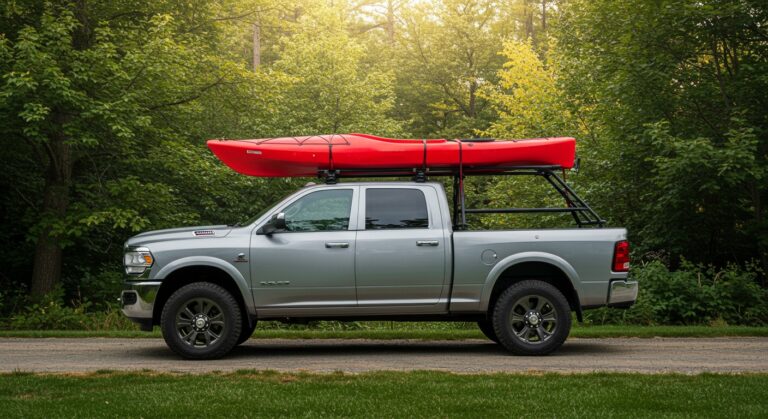 Best Kayak Racks for RAM 2500
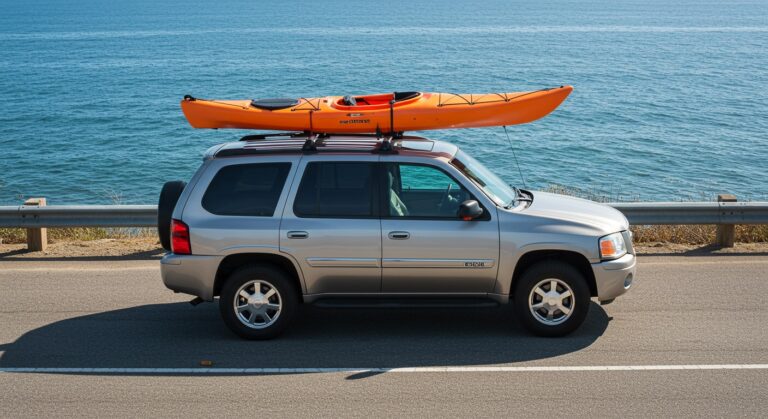 Best Kayak Racks for GMC Envoy