We may earn a commission when you buy through our links, at no extra cost to you.
How to Choose the Best Kayak Racks for Cars Without Rails
Finding a solid kayak rack for cars without rails ain’t as straight as picking the flashiest one online. Most vehicles without factory-installed rails need a rack system that clamps or mounts directly to the roof. You mess this up, your kayak gonna slide off on the highway—and that’s a lawsuit waiting. So yeah, picking the right setup matters.
Thing is, bare roof kayak rack options vary a lot—foam blocks, vacuum suction cups, door frame clamp-ons. Each got its own quirks. So ya gotta match the rack with how often you’re haulin’ your kayak, how far you go, and what type of roof your car got (sunroof, curved, or them weird rubber edges some Hondas got).
Understand Your Roof First
Some folks don’t even check the roof material. That’s a mistake. Cars like the Toyota Corolla, Honda Civic, or Hyundai Elantra mostly have thin roofs, so heavy-duty clamp-ons can actually dent the top if ya over-tighten. Suction cup mounts like the SeaSucker Kayak Rack work better in those cases. They ain’t perfect tho—dust or wet can mess with suction.
Also check if your car door frames can take door-mounted kayak racks. Some models, especially older Mazdas and Volvos, got weird trims that don’t let the clamps sit flat. Wonky fitment = bad news.
Types of Kayak Racks That Work for No-Rail Cars
You got options, but each come with trade-offs. Here’s the main types:
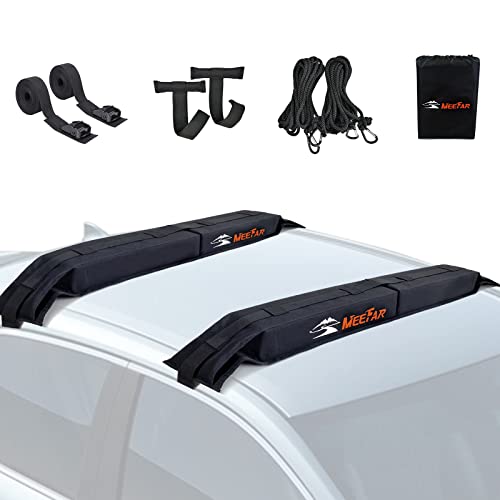
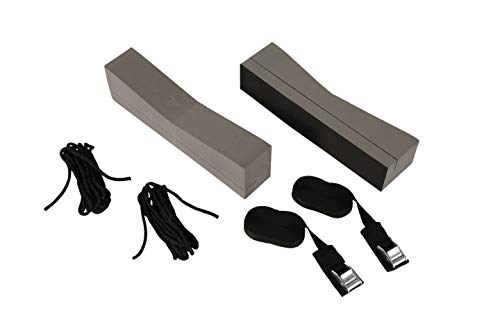
- Foam Block Kayak Carriers
✅ Cheap, easy to remove, good for short trips.
❌ Poor grip on highway speeds, not secure during wind.
- Inflatable Pads (like HandiRack)
✅ Lightweight, no tools needed, fits nearly any sedan.
❌ Gets hot under sun, durability over years ain’t great.
- Vacuum Suction Mounts
✅ Solid grip, zero scratches, works with weird roof shapes.
❌ Can lose suction if dirt sneaks under cups, expensive.
- Door Frame Clamp Racks
✅ Best for long hauls, stable, holds more weight.
❌ Tough to install alone, can leave marks on weather-stripping.
Consider How Many Kayaks You’ll Be Hauling
One kayak? Most systems will do. Two or more? You’ll need stacker-type carriers or wider crossbars. Problem is, with cars that ain’t got factory roof rails, the mounting area’s limited. More than 2 boats = big risk unless you get aftermarket crossbars like the ones from Rhino-Rack or Yakima BaseLine Towers (they clamp on the door jambs too, but those ain’t cheap).
Also, watch total weight. Your car roof probably rated for max 100–165 lbs including rack. A 12-foot sit-on-top kayak might weigh 60+ lbs alone, so two of those can push limits fast. Don’t trust guesses—check the vehicle’s roof load rating in the manual.
Weather & Drive Distance Make a Difference
Short drives to a lake nearby? Fine, use foam or pads. Long hauls? Like interstate road trips with speeds over 60mph? Then you must go with secure mounting—probably door clamp or vacuum setups. Some folks had stories of kayak lifts mid-drive from suction mounts not cleaned properly. Don’t ignore that.
Also, for folks driving in hot states like Arizona or Texas, rubber suction or inflatable racks can get soft in heat. That ain’t great for holding a 70 lb kayak at 70 mph. Steel bar clamp-ons handle heat better, though they ain’t so kind to the paint sometimes.
Look at Brands People Trust
Avoid the no-name garbage. Seriously. Brands like Thule, Yakima, SeaSucker, and Malone—they actually crash-test some of their models. Thule’s Door-Mount Hull-A-Port Aero works even for sedans without rails, though you gotta be ready to spend over $200.
Some folks like DIY, but unless you know the weight balance and wind load math, it’s better stick with tested kits. It’s your boat and your car—one mistake can trash both.
Installation Shouldn’t Be a Nightmare
You don’t wanna spend 3 hours fiddling with straps before every trip. Best kayak racks for cars with no rails should be installable in under 15–20 minutes after the first time. Clamp racks usually harder to align, while suction ones snap in faster.
Also, go for racks that let you tie the kayak bow and stern to bumpers—keeps it from shifting during stops or high winds. Not all pads come with those anchor options, so check.
Closing Thoughts
So yeah, it ain’t just about what looks cool on your roof. Picking the best kayak rack for a no-rail car takes knowing your car roof type, your kayak size, how far you drive, and what weather you deal with. Skimpin’ on quality or going too cheap can mean you lose the boat or damage your car roof—and that’s gonna cost more than a good rack ever would.





 Best 5 Kayak Bed Racks for Toyota Tacoma
 Best 5 Kayak Racks for SUV for Single Loader
 Best 5 Kayak Racks for Buick Regal