We may earn a commission when you buy through our links, at no extra cost to you.
Weight capacity and why people mess it up
Your Dodge Dakota can carry a fair load, but the roof? Different story. Most factory roofs handle around 100–150 lbs max, which sounds like plenty until you realize a single fishing kayak can push 70–80 lbs. Add a second one, plus the rack system itself, and suddenly you’re praying the roof rails don’t bend like wet spaghetti. People often underestimate this, I’ve seen horror stories of bent sheet metal because someone thought “it looks sturdy, should be fine”. Not fine.
If you’re loading sit-on-top kayaks or heavier pedal-drive fishing kayaks, you probably want a bed rack system instead. Those can handle 500–1000 lbs depending on the build. Numbers don’t lie, but people often ignore them. And then they blame the rack brand instead of reading the weight chart.
Bed racks vs roof racks
You’ll hear folks argue both ways. Some swear by roof-mounted racks because it keeps the truck bed free for coolers, paddles, camping gear. Others say lifting an 80-pound kayak over your head after a long paddle trip feels like punishment from the gods. They’re both right.
A bed rack on a Dodge Dakota keeps kayaks lower, so loading is easier. But you lose a chunk of that bed space unless you go with an over-cab extending rack. Those stick up higher, look kind of mean, but let you still throw gear in the truck. For highway travel, they’re less wind resistant too, so gas mileage doesn’t nosedive as bad compared to strapping a boat to the roof. The tradeoff is cost. Bed racks usually sit in the $500–$1200 range depending on brand and adjustability. Roof racks can be half that.
Crossbars width and why your kayak laughs at you
A Dodge Dakota roof is around 65 inches wide, depending on year. Many crossbars are 50 or 60 inches. Here’s the rub: a lot of wider touring kayaks stretch 30–36 inches themselves. Two side by side? They’ll stick out past the bars like wings on an old crop duster. That’s not just ugly, it’s unsafe. Wind pushes hard on those edges, and straps loosen mid-drive. Seen it happen once on I-35, guy lost his kayak across two lanes, near caused a pileup. So measure twice. Get crossbars that extend beyond the roofline if you’re running doubles.
Straps, saddles, rollers
Brands love showing shiny pictures of racks, but the truth is the straps and cradles matter just as much. Cheap cam straps fray after a season in Texas sun. Ratchet straps overtighten and warp kayak hulls. Saddle-style mounts hug the hull better, rollers make loading easier if you’re solo, but both add cost. If you cheap out here, the rack doesn’t fail first, the tie-downs do.
One tip that comes up again and again among paddlers: replace factory straps with heavy-duty kayak straps rated at least 1500 lbs. They don’t cost much, but they save a headache.
Aerodynamics and gas mileage
It’s not talked about much, but a kayak on the roof can kill your mileage by 20–30 percent. Dodge Dakota with a V6 that gets 18 mpg? Strap a 12-foot kayak up top and you’ll be seeing 13 or worse on the highway. Wind drag is brutal. A bed-mounted rack sits lower, keeping airflow a little smoother. So if you’re a long-distance paddler, that matters. If you’re local, maybe not so much.
Real life quirks nobody tells you
- The rear cab brake light on Dakotas can sometimes get blocked by certain rack clamps. You don’t notice until someone honks because they almost rear-ended you.
- The short bed Dakotas (5’3”) struggle with overhanging kayaks unless you run an extender. A single 14-foot kayak can stick 5–6 feet past the tailgate, which police in some states don’t like unless you slap a red flag on it.
- Heat. The truck roof bakes in sun, especially in states like Arizona or Texas. That heat transfers to the kayak hull strapped tight. Prolonged exposure warps cheaper plastic hulls. Bed racks shaded by the cab reduce this problem.
Best overall choice for most Dakota owners
If you twisted my arm and said pick one, I’d say a bed rack system with adjustable uprights, something like what Yakima or Thule makes for midsize pickups. They balance weight capacity, ease of use, and keep the truck versatile. Roof racks have their place if you only run one lightweight kayak and want to save cash, but long-term, a bed rack will outlive the truck itself if treated right.
Closing thought that isn’t neat and tidy
Honestly, choosing the best kayak rack for a Dodge Dakota isn’t about picking “the best” like some magazine list. It’s about what kind of paddler you are, how many kayaks you haul, and whether your back gives out after lifting a boat overhead. Some will overthink it, others will just throw pool noodles on the roof and call it a day. But if you care about safety, money, and keeping that old Dakota running smooth, spend a weekend measuring, comparing load limits, and thinking about where you actually drive. It’s not glamorous, but it saves you from chasing a runaway kayak down the highway.



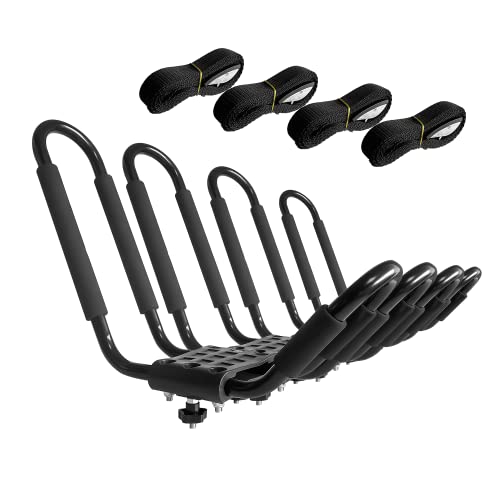
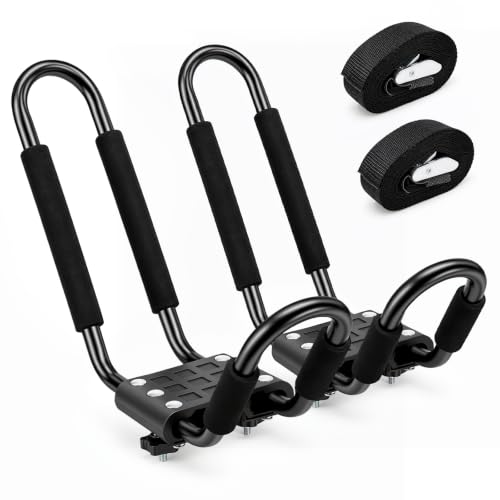
 Best 5 Kayak Bed Racks for Toyota Tacoma
 Best 5 Kayak Racks for SUV for Single Loader
 Best 5 Kayak Racks for Buick Regal