Best 5 Kayak Racks for Dodge Journey

By Arthur Moore · Updated · 9 min read

We may earn a commission when you buy through our links, at no extra cost to you.

Choosing the right kayak rack for Dodge Journey isn’t just about strapping gear to the roof, it’s about whether the setup makes you feel confident on the highway or nervous every time a truck passes by. The Journey’s roofline and space give you room to work with, but not every rack locks in as snug as you’d expect. After sorting through real-world use and practicality, the one that keeps coming up as the most reliable pick is the XGeek Kayak Roof Rack. Strong build, easy loading, and solid fit on the Dodge Journey—it’s the rack that doesn’t leave you second-guessing once you’re on the road.

Our top picks at a glance

Top pickBest for solo loading Thule Hullavator Pro

Thule Hullavator Pro

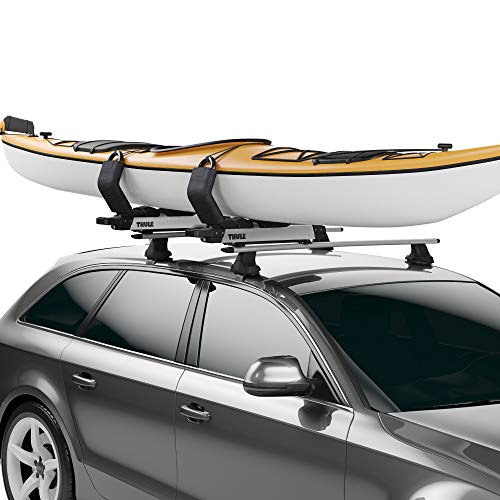
Dodge Journey owners who often paddle alone will find the Thule Hullavator Pro the easiest carrier on this list to load.

Check price on Amazon
Runner-upBest foam block kit Datanly 12-Inch Foam Block Kit

Datanly 12-Inch Foam Block Kit

The Datanly 12 Inch Foam Blocks Kit is a simple way to carry a kayak or canoe on a Dodge Journey without a hard-mounted rack.

Check price on Amazon
Also greatBest adjustable padding AA-Racks 2 Pair J-Bar Rack

AA-Racks 2 Pair J-Bar Rack

The AA-Racks 2 Pair J-Bar Rack is built for carrying kayaks, canoes, surfboards, and even paddleboards on most crossbars, making it a solid choice for outdoor trips.

Check price on Amazon

Quick comparison

ImageProductStandout featurePrice
Thule Hullavator ProThule Hullavator ProBest for solo loadingGas-assist struts handle 40 lbsCheck price
Datanly 12-Inch Foam Block KitDatanly 12-Inch Foam Block KitBest foam block kitComplete kit with straps and S-hooksCheck price
AA-Racks 2 Pair J-Bar RackAA-Racks 2 Pair J-Bar RackBest adjustable paddingHeavy-duty steel design with adjustable padding for kayak protectionCheck price
GZDEMYYXGS Kayak Rack J-BarGZDEMYYXGS Kayak Rack J-BarBest for bumpy roadsFits most standard crossbars including round, square, and oval stylesCheck price
Yima Accessories 2 Pairs Kayak RackYima Accessories 2 Pairs Kayak RackBest for multiple kayaksHolds up to 2 kayaks with 2 pairs of racks includedCheck price

Best 5 Kayak Racks for Dodge Journey

Thule Hullavator Pro
#1 · Best for solo loading

Thule Hullavator Pro

Dodge Journey owners who often paddle alone will find the Thule Hullavator Pro the easiest carrier on this list to load. Gas-assist struts lift and lower 40 lbs of the kayak's weight, and double extending arms bring the cradle down to waist height. You strap the boat in at a comfortable level, then guide it back up onto the roof.

The cradles are corrosion-resistant and expand to fit wide kayaks, with eight touch points of padded support for the hull. Thule built the carrier from aluminum and double-coated steel for long life. It mounts on crossbars, so your Journey needs a crossbar system first; check your owner's manual for the roof load limit, since the carrier itself adds weight.

What we like
  • Gas-assist struts handle 40 lbs
  • Waist-height loading and strapping
  • Expanding cradles fit wide kayaks
  • Eight padded support points
Keep in mind
  • Struts assist with 40 lbs, not all
  • Crossbars are required
Check price on Amazon
Datanly 12-Inch Foam Block Kit
#2 · Best foam block kit

Datanly 12-Inch Foam Block Kit

The Datanly 12 Inch Foam Blocks Kit is a simple way to carry a kayak or canoe on a Dodge Journey without a hard-mounted rack. The kit includes two soft foam pads, two tie-downs with adjustable buckles, two nylon load straps, two S-hooks and a storage bag. Each pad measures 12 x 4.8 x 3.94 inches.

The pads are EVA foam with UV and tear resistance, and a non-slip bottom surface keeps them from moving in transit. The cushioned design protects both the Journey's roof and the hull from scratches. Installation and removal are quick, and the bag keeps everything together between trips. Check your owner's manual for roof load guidance before the first drive.

What we like
  • Complete kit with straps and S-hooks
  • Non-slip bottom limits movement
  • UV and tear resistant EVA
  • Storage bag included
Keep in mind
  • Only two buckle tie-downs
  • No rigid mounting to the car
Check price on Amazon
AA-Racks 2 Pair J-Bar Rack
#3 · Best adjustable padding

AA-Racks 2 Pair J-Bar Rack

The AA-Racks 2 Pair J-Bar Rack is built for carrying kayaks, canoes, surfboards, and even paddleboards on most crossbars, making it a solid choice for outdoor trips. Its heavy-duty steel construction with adjustable padding helps protect the hull of your kayak while holding it steady on highways or bumpy backroads. This rack system fits most factory and aftermarket roof racks, so it works with SUVs, trucks, and cars alike, giving it broad usability for outdoor gear transport.

What we like
  • Heavy-duty steel design with adjustable padding for kayak protection
  • Fits most crossbars, including round, square, and oval styles
  • Holds up to 2 pairs of kayaks, paddleboards, or canoes securely
  • Budget-friendly option compared to premium roof rack brands
Keep in mind
  • Installation may take extra effort without proper tools
  • Straps included may not be as durable as aftermarket tie-downs
  • Not as foldable or space-saving as higher-end kayak roof racks
Check price on Amazon
GZDEMYYXGS Kayak Rack J-Bar
#4 · Best for bumpy roads

GZDEMYYXGS Kayak Rack J-Bar

The GZDEMYYXGS Kayak Rack J-Bar is built for paddlers who need a reliable way to secure their kayak, canoe, or surfboard onto car roof crossbars without hassle. This J-style carrier works well with most factory or aftermarket crossbars and includes tie-down straps to keep gear stable even on bumpy drives. Its steel frame and foam padding help protect your kayak’s hull from scratches, making it a solid choice for outdoor trips, road travel, or fishing kayak transport.

What we like
  • Fits most standard crossbars including round, square, and oval styles
  • Foam padding reduces wear and scratches on kayak surface
  • Comes with straps for extra tie-down security
  • Compact J-bar design saves space on the roof for other gear
Keep in mind
  • Assembly may take longer for beginners
  • Not ideal for vehicles without strong roof crossbars
  • Loading heavier fishing kayaks might require two people
  • Straps could need upgrading for long-distance highway trips
Check price on Amazon
Yima Accessories 2 Pairs Kayak Rack
#5 · Best for multiple kayaks

Yima Accessories 2 Pairs Kayak Rack

The Yima Accessories 2 Pairs Kayak Rack is a sturdy option for those looking to carry multiple kayaks on their car crossbars without too much hassle. Built with heavy-duty steel and a wide J-style design, this roof rack system fits most factory and aftermarket crossbars, giving stability during transport. It also comes with ratchet tie-down straps that make securing kayaks, paddle boards, or canoes more reliable. For anyone with SUVs, trucks, or cars fitted with roof crossbars, this setup works well for road trips, camping, or fishing adventures.

The Dodge Journey isn’t some tiny hatchback, the roof is long and broad but also got these factory rails that confuse half the people trying to mount stuff. You stand there with the rack in your hand and then suddenly realize, wait, does it clamp on the side or do I need crossbars first. That’s the first head scratcher. And trust me, the wrong choice makes that road trip into a nightmare of rattling noises.

Some racks sit high, and then your kayak feels like it’s perched up like a giraffe on roller skates. Wind hits it, you hear whistles. If you ever drove on I-20 near Dallas with a rack that ain’t matched properly, you know that constant howl. It wears on your patience. That’s why matching the rack system to the roof rails matter more than any fancy ad line about “universal fit.” Universal doesn’t mean comfortable.

Also, weight ratings matter. A kayak might look feather light when two people lift it off the garage floor, but once wet and strapped with paddles, that load on the roof is more than the sticker says. Dodge Journey roof rails handle decent weight, but don’t test fate. Seen people bend rails by overloading. And then you don’t just replace the rack, you replacing your pride.

How to Choose The Best Kayak Racks for Dodge Journey

What we like
  • Holds up to 2 kayaks with 2 pairs of racks included
  • Strong steel construction with rust-resistant coating
  • Fits round, square, oval, and flat crossbars on most vehicles
  • Includes ratchet straps and mounting hardware for quick setup
Keep in mind
  • May require tools for installation adjustments
  • Bulky when left on roof, adds wind resistance
Check price on Amazon

How to Choose a Kayak Rack for a Dodge Journey

Crossbars on factory rails

The Journey's side rails are only a starting point. You need crossbars that clamp to them, and the J-rack then mounts to the crossbars. Match the J-rack clamp to the bar profile, whether round, square or aero, before you buy.

Carry style

J-style racks hold each kayak on its side, which saves width and leaves room for a second boat or a cargo basket. Saddle systems carry the boat flat and spread its weight but take up more crossbar space. For most Journey owners, J-racks are the more flexible option.

Build and padding

Most budget J-racks are coated steel, which is strong but heavier than aluminum. Look for thick foam or rubber at every contact point, and adjustable padding if you carry different hull shapes. Good padding protects both the kayak and the paint during loading.

Tie-down kit

A complete kit with straps saves an extra purchase. Ratchet straps are quick and firm, while cam straps are easier to set by feel. Either way, add bow and stern lines for highway trips and inspect strap webbing for fraying each season.

Types of Racks That Actually Work

You’ll see J-cradles mentioned all the time, like the Thule or Yakima kind. They’re good for keeping the kayak tilted, saving roof space. But here’s the thing: on a Dodge Journey, the height of the roof makes loading those angled racks tricky if you’re shorter or not keen on step stools. It’s not like throwing a bag of groceries. You’re balancing a 12-foot plastic shell over your head.

Saddle style racks sit flatter, like the kayak just laying down and strapped in. Easier to load if you slide from the back of the car. That works well on the Journey cause of the tailgate design. But saddles usually take up more horizontal room, so two kayaks side by side gets iffy. Unless you got narrow boats. And narrow boats usually mean tippy rides on the lake, so pick your compromise.

Then there’s stackers, basically upright posts letting you put multiple kayaks like books on a shelf. Cheap and cheerful, but also kind of noisy in wind and not great if you don’t tie ropes like a sailor. I seen people’s stacker setups wobble like spaghetti near 70 mph. You need to be good with bow and stern straps or else you risking more than scratches.

Budget vs Durability

You can grab a $60 rack on Amazon and yeah, it’ll hold something for a while. But when the paint starts peeling and bolts rust after the second rain, you’ll curse that cheapness. With a Dodge Journey, the car’s not some disposable ride, so slapping flimsy racks up there feels off. The vehicle deserves better than bargain-bin steel that stains.

Aluminum racks, powder coated, those last longer. Less noise too, because fittings are tighter. Yes, you’ll pay $200–$400 easy, but compare that to replacing dented kayaks or cracked mounts. I once seen a rack shear off outside San Antonio cause the dude didn’t bother checking torque ratings. His whole fishing kayak slid across two lanes. That kind of story sticks.

Another part is warranty. Some brands stand behind their racks for years. Others? You email customer service and get silence. With Dodge Journey owners, who usually are family haulers too, the peace of mind counts. Spending extra upfront often cheaper than replacing both kayak and rack after one bad storm run.

Loading Problems Nobody Talks About

This SUV is tall. If you’re 5’7” and not carrying a step ladder, you’ll wrestle the kayak every time. People forget that when they buy J-cradles. They look sleek in pictures but real world, lifting that high makes your shoulders ache. Unless you install a side-assist system that lowers the cradle, but those are pricey and add more moving parts to break.

Sliding systems that let you rest the kayak at waist level then push forward are a lifesaver. Some brands call them “lift assist,” but honestly it’s just rails that take some of the weight. Perfect for solo paddlers. On a Dodge Journey, you’ll bless yourself the first time you don’t scratch the paint with a fiberglass hull. Scratches on red paint show forever.

Also, tie-down points. The bumper of the Journey doesn’t always give you clear hooks for bow straps. That’s why hood loops that bolt under the hood latch come in handy. Small detail, but if you skip it, you’ll spend twenty minutes cursing with ratchet straps trying to hook somewhere safe. That’s the kind of frustration that makes people stop kayaking altogether.

Safety and Highway Driving

Kayaks on top look dramatic, but they catch crosswinds like a sail. Driving across West Texas plains, I’ve literally felt the whole SUV tilt from gusts. A proper rack system with aerodynamic bars cuts down drag. Those square steel bars? They’re like wind flutes. Round bars? They let the rack twist. The Journey deserves aero bars.

At 70 mph, even the best straps loosen. Road vibrations do that. Always stop after 20 miles to retighten. I’ve had friends think the rack failed, but no, it was just human laziness. Choosing racks with cam-buckle straps included is safer than using those cheap ratchets that dig into the kayak hull. Cam straps tighten firm without crushing.

And don’t underestimate fuel cost. Kayak racks increase drag, sometimes dropping mileage 2–3 mpg. Over a year, that’s a few hundred bucks. Not much if you only paddle twice a summer, but if you’re a weekend warrior, it adds up. So picking a rack that sits lower and sleeker matters more than glossy brochures suggest.

Final Thoughts Before You Buy

Choosing the best kayak rack for a Dodge Journey isn’t one single answer. It’s how tall you are, how many kayaks you haul, and how much you hate rattles. People online will swear by one brand, but they might be taller, stronger, or never drive faster than 50. That doesn’t match your reality.

The key is balance. Safety first, budget second, convenience third. Skip any rack that promises to fit “all cars.” That’s marketing fluff. The Journey’s roof is specific, and the kayak’s shape matters too. Sit in your driveway, look at the car, measure, then decide. Not glamorous, but it saves headaches.

And honestly, the right rack will feel invisible once installed. No constant squeaks, no sudden straps flapping like wild snakes. Just a quiet drive to the lake or river, the boat secure above, and your mind already drifting to the water. That’s the actual test.

Frequently asked questions

Do the Dodge Journey's factory rails hold a kayak rack on their own?

No. The rails run front to back along the roof, and a kayak carrier needs crossbars running side to side. Add a crossbar set that clamps to the Journey's rails, then mount the J-rack on those bars. Make sure the bars lock firmly to the rails before loading.

How many kayaks fit on a Dodge Journey roof?

Two is common, using a two-pair J-rack set so both boats ride on their sides. Check that your crossbars are wide enough for two carriers with a gap between the hulls, and keep the full load within the roof rating listed in your owner's manual.

What is the safest way to strap a kayak to a Journey for a long trip?

Run two straps over the hull at each carrier and tighten until the boat no longer rocks. Then add bow and stern lines to the front and rear of the vehicle. Check everything after the first few miles and again at each stop, since straps can settle as the hull warms up.

More guides like this

Thule Hullavator ProOur top pickThule Hullavator ProCheck price