We may earn a commission when you buy through our links, at no extra cost to you.
The weight problem nobody really talks about
A Ford Expedition already weighs more than 5,500 pounds. Add four passengers, maybe a cooler, throw in camping gear, and then suddenly you’re thinking about putting a 70 lb kayak on the roof. Some racks claim they hold 150 lbs, others 165 lbs, but that’s not the whole story. Roof load rating is also capped by the car itself, which for the Expedition hovers around 200 lbs dynamic load (that means while moving, not parked). Go over it, and you’re flirting with bent rails or worse, your kayak flying into someone’s windshield.
If you’ve ever seen a post online about kayaks flying off on the freeway, it’s usually user error. Bad straps, cheap racks, or ignoring load limits. Funny thing is, most people underestimate wind resistance. A 12-foot kayak can act like a sail. At 70 mph, that thing is catching drag in ways you don’t even want to test. Which means sturdy racks and quality tie-downs aren’t optional.
Rack styles and why you might regret the wrong one
There are J-cradles, saddle mounts, stackers, and plain crossbar pads. Each looks cool until you actually use it. J-cradles tilt the kayak on its side, saving roof space, but loading can be a nightmare unless you’re tall or built like a football lineman. Saddles keep the kayak flat, more stable, easier to load, but they hog roof space. Stackers are for people hauling multiple kayaks, but on a Ford Expedition roof (which is already tall), lifting more than one up there feels like punishment.
A side story: I once helped a friend put his 14-foot touring kayak on J-cradles on an Expedition. Took two of us, a step stool, and nearly a pulled shoulder. He sold the cradles a week later and bought saddles. Point is, don’t just think about what looks neat on Amazon photos. Think about how you’re actually gonna use it when you’re sweating in a parking lot, car roof is hot as a skillet, and your buddy bailed last minute.
Crossbars first, racks second
A lot of folks forget the Expedition doesn’t always come with crossbars, just the side rails. And without crossbars, your fancy kayak rack is just a piece of garage art. Ford-branded crossbars are decent, but many owners switch to aftermarket like Yakima or Thule because they fit tighter, handle more weight, and don’t whistle as much at highway speeds. Noise seems small until you drive 400 miles with a hum buzzing like an angry bee over your head.
Crossbar spacing also matters. Expeditions usually allow 30-40 inches spacing, which works well for longer kayaks, but if you’re hauling a shorter rec kayak (say 9 feet), too wide spacing can make loading weird.
Features that sound small but matter big
- Padding: Bare metal scratches hulls, period. Good racks have rubber or foam. If they don’t, you’ll be padding it yourself with pool noodles.
- Locks: A kayak rack without locks is like leaving your cooler full of beer at a campsite. It might be there when you come back, but maybe not.
- Ease of loading: Some racks come with assist rollers or slide-out arms. Laugh if you want, but after your third trip lifting a 70 lb kayak over your head, you’ll dream of these.
- Weather resistance: Ford Expeditions are often parked outside, not garage queens. Cheap racks rust quick. Salt from winter roads only makes it worse.
Cost vs. cheapness
Here’s the kicker. Why are kayak racks expensive? Steel prices, design patents, safety testing, and liability insurance. Companies like Thule and Yakima charge more, but they also test for wind drag at high speeds. A no-name rack at half the price might save you 200 bucks now, but what’s the cost if it fails? A new kayak, damaged SUV roof, maybe even an insurance claim. Not worth it.
Real-world numbers: most reliable racks sit between 200 to 600 dollars. Add another 150 for crossbars if you don’t have them. Sounds steep, but compare that to the price of a Ford Expedition itself (north of 55k) and suddenly a solid rack doesn’t feel so outrageous.
So which ones actually work
I won’t hand you a shopping list like some gear site. But patterns show up: Expedition owners rave about J-style racks when they haul two kayaks, saddle-style for solo big kayaks, and stackers if they’re family paddlers carrying three or more. Many swear by Yakima JayLow and Thule Hull-a-Port Pro because of fold-down features that cut wind drag when not in use. But for people tired of lifting high, the Thule Hullavator (with lift assist) is like magic, though it costs nearly as much as a used kayak itself.
Final messy thought
Buying the best kayak rack for a Ford Expedition isn’t about brand loyalty or glossy ads. It’s about honesty. How many kayaks do you haul? Do you usually have help or solo load? Can you lift overhead without risking your back? How much noise can you tolerate at highway speeds? And, are you okay spending 500 bucks on something you’ll curse while installing but thank every time you load up?
In the end, you’ll pick something, probably regret parts of it, maybe upgrade later. That’s how gear buying works. Nobody nails it the first try, not with kayaks, not with racks, not with anything really. But at least if you know what to look for, you’re less likely to be the guy on the freeway shoulder chasing a kayak in flip-flops.



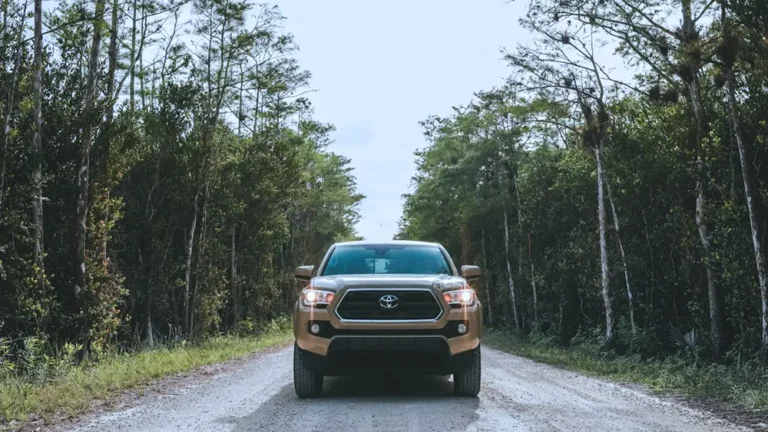 Best 5 Kayak Bed Racks for Toyota Tacoma
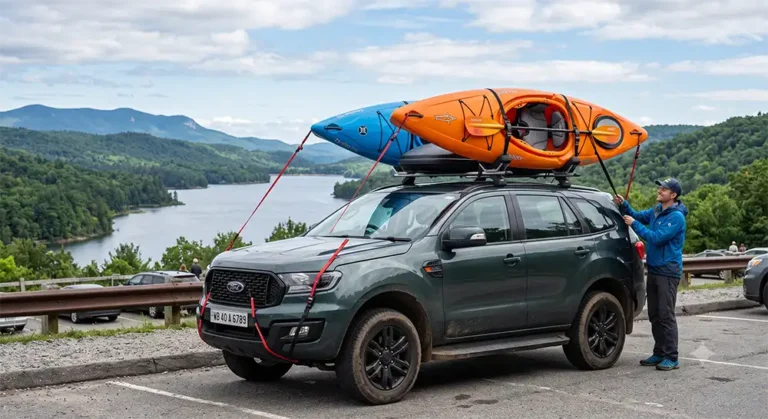 Best 5 Kayak Racks for SUV for Single Loader
 Best 5 Kayak Racks for Buick Regal