We may earn a commission when you buy through our links, at no extra cost to you.
How to Choose the Best Kayak Racks for Truck
Finding a kayak rack for your truck ain’t just about throwing something on top and hoping it holds. Nah. There’s different types of racks made for different truck beds, load styles, and even the kind of kayak you’re hauling. One size don’t fit all here. You mess this up, and your boat might be flyin’ off on the highway before you hit the lake.
You gotta think about the weight of the kayak, the truck bed size, and also how often you’re gonna use it. If it’s just twice a year, maybe don’t blow a big stack on the fanciest setup. But if you go paddlin’ every other weekend? Then you want something sturdy, like those TMS adjustable utility racks or the Thule Xsporter Pro — both strong and reliable.
Different Types of Kayak Racks for Trucks
It ain’t just one type of rack, there’s several. You got over-cab racks, bed extender racks, and even J-style mounts that tilt the kayak sideways. Folks with short truck beds often like using hitch-mounted bed extenders, ‘cause they give you more length to play with. If you’re dealing with multiple kayaks, you’ll need racks with higher capacity or even a double-stack setup.
Ladder racks like the AA-Racks X35 can hold kayaks along with paddleboards or ladders for that matter. So, if you do other stuff besides kayaking, that’s a solid multi-use option. On the other hand, if your truck’s got a tonneau cover, you’ll need something that’s compatible with that, like a Yakima OverHaul HD.
Weight Capacity Matters More Than You Think
Ain’t no point buying a rack that can’t carry the weight. Average kayaks weigh between 35 to 80 lbs, but when wet or with gear strapped on, it adds more. Some folks forget this and overload their racks. Don’t do that. Always check the max weight rating — it’s usually written somewhere on the product or manual.
Plus, consider the crossbar spread. If it’s too narrow, your kayak gonna be bouncing with every bump you hit. Wide spread means better support. Some racks let you slide the bars apart for this reason, which helps.
Will It Fit Your Truck? Double Check That First
Before you order anything, you gotta measure. Not just the bed length, but the rail height, width between bed rails, and how much room you got behind the cab. Some racks don’t fit trucks with toolboxes or tonneau covers. Others need drilling, which you might not wanna do. Or your lease won’t allow it.
A lotta folks with Toyota Tacomas, Ford F-150s, or Ram 1500s find that the racks made for “universal” fit actually still need small mods. Don’t trust that “universal” label unless you read the actual specs.
Steel vs. Aluminum: What’s Better?
This one gets overlooked a lot. Steel racks like the MaxxHaul 70233 are strong but heavy and rust-prone unless powder-coated right. Aluminum ones, like the Thule TracRac SR, weigh less and don’t rust but cost more. If you’re near saltwater, aluminum’s the better bet.
Also, look for anti-corrosion coatings or UV-resistant materials. Kayak trips ain’t always sunshine and daisies. One good scratch and rust shows up like bad news.
Ease of Use
If it takes you 30 minutes just to lift your kayak up, that’s no fun. You’ll stop going altogether. Some racks let you load from the side, others need a full lift from the rear. If you’re short or got shoulder issues, look for racks that work with load-assist bars or hydraulic lifters.
For example, the Rhino-Rack T-Loader attaches to your hitch and lets you rest the kayak on it while you push forward. Small details like this? Make a huge difference. Especially when you’re loading solo.
Security Features
Racks ain’t cheap. Neither are kayaks. So it’d be real dumb to leave yours out there without any security. Go for a system with locking clamps, integrated locks, or at least the ability to attach a cable lock. Some of the high-end brands like Yakima and Thule come with locking systems built-in.
Also, check how well it secures the kayak during drive. Rubber padding on the arms, adjustable straps, or tie-down points matter a lot. Nobody wants their boat sliding sideways at 70 mph.
Choose What Works For You
Don’t just pick a rack ‘cause it looks cool or got fancy marketing. Figure out your kayak’s weight, how often you go out, how tall your truck is, and what features matter to you. If it’s too hard to load or don’t fit your truck bed right, you’ll regret it.
Whatever setup you end up with, make sure you got tie-down straps, bow and stern lines, and maybe even some foam blocks for extra cushion. Your kayak deserves better than just being tossed in the back like a lawn chair.
Done right, a solid kayak rack for trucks not only protects your ride and gear — it saves your shoulders, too.



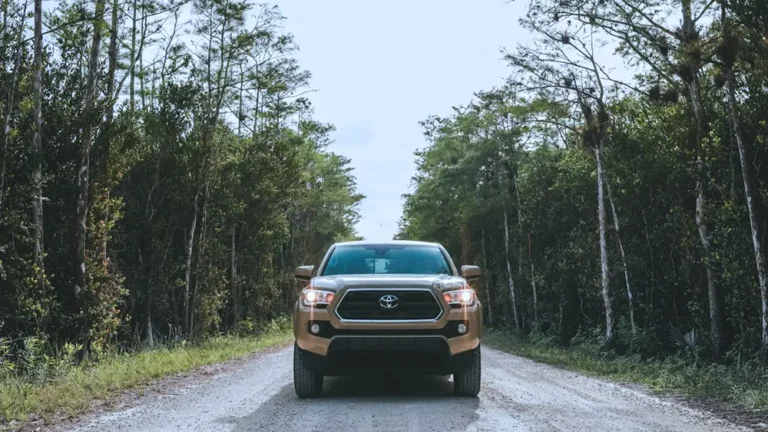 Best 5 Kayak Bed Racks for Toyota Tacoma
 Best 5 Kayak Racks for SUV for Single Loader
 Best 5 Kayak Racks for Buick Regal