We may earn a commission when you buy through our links, at no extra cost to you.
How to Choose the Best Kayaks Under $500
Picking a kayak when you ain’t tryna spend over $500 ain’t just about colors or brands. Lot of folks mess up by chasing deals without checking specs. If you rush it, you might end up with a pool toy, not a proper kayak.
Know What Kind of Kayaking You’re Gonna Do
All kayaks don’t work the same. Some good for lakes. Others hold up better in rivers with currents. You planning for calm water? Look for a recreational kayak – they more stable, not too long, around 9-10 feet. If you gon’ try light rapids, check for ones that say Class I or II whitewater rating.
For fishing, better get a sit-on-top kayak. Those come with rod holders, flat decks, and often wider for balance. Cheaper fishing kayaks like the Lifetime Tamarack Angler or Pelican Catch Classic 100 usually fit under the $500 tag.
Materials Matter A Lot
Most budget kayaks are made of high-density polyethylene (HDPE). That plastic is strong, but heavy. Inflatable ones? Usually built with PVC or tarpaulin layers. They lighter, easier to carry, and cost less—but ain’t as tough if you hit sharp rocks.
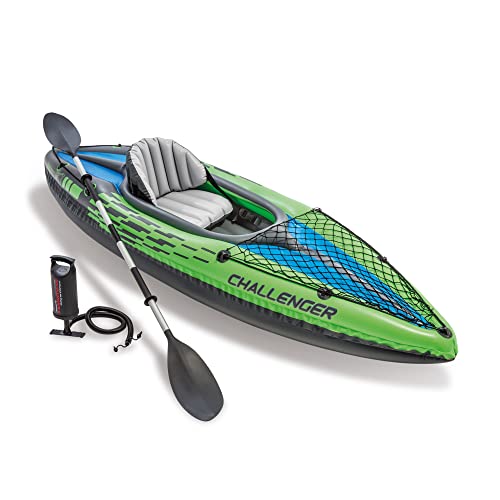
Rigid kayaks last longer, but check the hull thickness. Some brands cut corners by making it thin, so even a stump can crack it. Ones like Intex Challenger K1 (inflatable) got good reviews, but still more for calm water only.
Size and Weight Ain’t Just Numbers
Think about your body weight too. Some kayaks under 500 bucks have a weight capacity of just 250 to 275 lbs. That includes you, your gear, maybe a cooler. If you’re a big guy or carrying extra stuff, find one rated for 300 lbs or more.
Length-wise, shorter ones (under 10 ft) are easier to turn but slower. Longer ones (above 10 ft) track better, especially in wind. For beginners, 9.5–10 ft is a sweet spot. Also—check the kayak’s weight. Some are over 50 lbs, and if you gotta carry it alone, it’s a problem.
Storage Options
You might think a cheap kayak won’t come with storage. But some actually do. Look for bungee deck rigging, dry hatches, or even rear tankwells. Those dry storage areas are great for phones or cameras, just make sure they actually stay dry.
Don’t trust the word “dry hatch” without checking reviews. Many cheaper ones leak unless sealed proper. A few models like Pelican Sentinel 100X offer storage you can count on under light rain or splashes.
Comfort Is Way More Important Than You Think
Seats on budget kayaks can suck. Thin padding or none at all. You gonna regret that after 30 mins paddling. Some folks swap out factory seats with aftermarket kayak seats – adds $40–60 to your total.
Also check for adjustable footrests. Fixed ones might not fit your leg size. Especially if you’re tall, that’s a dealbreaker. Kayaks like the Lifetime Cruze 100 and Sun Dolphin Aruba 10 have basic comfort features that work okay for beginners.
Portability and Storage at Home
Inflatables win here, hands down. Fold ‘em up, toss ‘em in a trunk, done. If space at your place is tight, that’s something to think about. Hard-shells? Gonna need a garage rack, wall hooks, or at least a backyard with shade.
Also: check how long it takes to inflate or deflate. Some models like Sevylor Quikpak K1 set up under 10 mins, even come with a pump included. That’s handy if you ain’t tryin’ to haul extra gear.
Don’t Get Fooled by Fancy Brand Labels
Name doesn’t always mean better. A $450 kayak with actual UV-resistant hull and marine-grade hardware beats a $700 one that’s all hype. Brands like Intex, Sevylor, Lifetime, and Pelican got solid entries under $500.
Before buying anything, read user reviews—not the ones with just stars, but ones with pics or weight/height info. A 5-star review from someone 5’2” won’t help if you’re 6’1”.
Check For Inclusions
Some kayaks come bundled with paddles, pump, or carry bags. If you’re new, these things save money. Buying a paddle separate might cost $30–70. And not every paddle fits well with all kayaks, especially shorter ones.
Also see if there’s drain plugs or scupper holes. Sit-on-top kayaks often have scupper holes to drain water—but if they don’t come with plugs, your feet stay wet whole ride.
Final Tips Before You Spend That Money
Don’t just walk into Walmart and grab one. Compare specs, check weight rating, storage, seat, footrests. If it don’t feel stable or comfortable after 15 mins, it ain’t worth saving $100.
Also—don’t ignore warranty. Even budget brands offer 90-day or 1-year limited warranties. Some places offer free returns if you ain’t used it yet. Keep that in mind if ordering online.





 Best 6 Kayak Anchors
 Best 5 Kayak under $300
 Best 5 Kayaks for Tall Men