We may earn a commission when you buy through our links, at no extra cost to you.
In case, you have no idea what a dry bag is, allow me explain it in simple English. A dry bag is basically a cylinder-shaped bag, made from waterproof materials. The main objective of a dry bag is to stop the water from getting in. Dry bags are mainly used in popular water sports like canyoning, kayaking and rafting. Dry bags help you keep all your important accessories and dry clothes from getting wet. Usually made from waterproofed fabric or plastic-coated fabric, dry bags allow users to seal the entrance completely so that all your valuable possessions remain safe and secure.
Here we have reviewed top 8 dry bags for kayaking. Go through each review carefully before making the final buying decision –
What To Look For In A Kayaking Dry Bag?
Okay, so you have been looking for a quality dry bag for your next kayaking adventure. But finding the right waterproof dry bag is easier said than done since there are hundreds of varieties of dry bags available. Here are some facts and factors that you need to take into consideration before you decide to purchase a dry bag –
1. Size
The size of the dry bag can vary depending on your exact requirements. It needs to have a carrying capacity of at least 20 to 30 liters. However, you can also spot a dry bag with 5 to 60 liters carrying capacity too. All it boils down to your requirements. If you are planning to paddle in small rivers or lakes, a 10L dry bag would be more than enough. However, if you are planning for a multiday trip, you might have to purchase a 50L dry bag as you would need large storage areas to keep all your valuable items safe.
2. Color
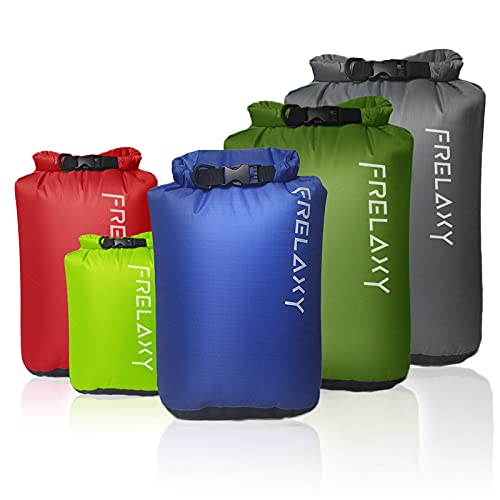
When disaster strikes, you will hardly get enough time to look around you and find the dry bag. You need to know exactly where the dry bag. Those few precious seconds can make all the difference in time of crisis. This is the reason why it makes sense that you need to have a high visibility dry bag. Brightly colored dry bags are easy to spot and thus they eliminate the possibility of losing it in the middle of mayhem.
3. Durability
Dry bags help you keep your valuable electronic items intact. This is the reason why you should never settle for a low-quality dry bag. The dry bag needs to be made from high-quality materials otherwise it will succumb to wear and tear. Dry bags are usually subjected to rough use and that means, it must be made from premium quality materials.
4. Closure
Some dry bags have got zippers whereas some other dry bags have got roll-top closure. Whatever it does not matter much. You just have to make sure that the dry bag can offer protection from water.
5. Shoulder Or Handle
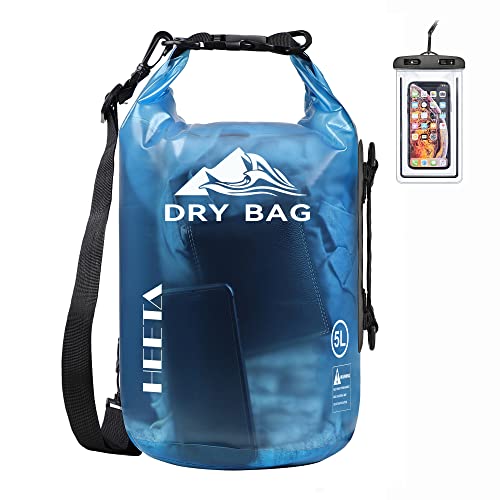
Shoulder straps are quite common with smaller dry bags. More often than not, these shoulder straps are adjustable in nature and that means, the size of the strap can be corrected depending on the preferences of the users. Some people even want to carry them just like a regular backpack and to make their lives a little bit easier, some dry bags have now got shoulder straps. However, some dry bags also have got handles.
6. D-Rings
Ignored by most people, D-rings can make a real difference in your next boating trip. However, most models that we have reviewed don’t have D-rings included in the design. In case, you have already purchased a dry bag that does not have any D-ring, you don’t have to ring the alarm bell. You can purchase a D-ring from an outdoor store in your locality. D-ring makes it super easy for paddlers to connect your dry bag with other dry bags.
7. Pockets
Most people want to have quick access to accessories like keys and mobile phones and this is the reason why most people appreciate the idea of including an interior pocket in a dry bag. You can keep things like water bottles, umbrellas, etc inside the exterior pockets. Exterior pockets don’t eat any space.
8. Materials
Dry bags are either made from vinyl or from nylon. Dry bags made from Vinyl is ideal for carrying heavy metal items like knives, pans, pots or any other cooking utensils. Vinyl is very tough in nature and that means, they can easily withstand the weight of these heavy metal items. Dry bags made from nylon are on the other hand waterproof in nature. However, nylon made dry bags are not as strong and as durable as Vinyl dry bag. Nylon dry bags are good for carrying soft items like cloths and any other similar fabrics.
Dry Bag FAQ
Do Dry Bags Float?
Yes, most dry bags do float on water. However, the dry bag needs to be sealed correctly. A properly sealed dry bag will trap the air inside and thus increasing the bouncy of the bag. In case, your boat gets capsized, the dry bag will stay afloat and thus making it easier for you to retrieve important accessories like dry cloths, mobile, power bank etc. However, make sure that you have secured the dry bag to the kayak otherwise it might drift away should your kayak capsize.
Why Should I Buy A Dry Bag?
Weather is by and large unpredictable. So that means, if you are planning to participate in some water sports like – kayaking, rafting etc, you have to invest in a good quality dry bag. Dry bags help you keep your valuable digital assets safe. Dry bags provide much-needed protection from water. Unless you don’t mind seeing your expensive gadgets getting damaged by water, you will no other option but to purchase a good quality dry bag. And even if you have invested a good amount of money on waterproof gadgets, it still makes sense that you should get a dry bag as it acts as a barrier between your dry clothing and the cold water.
What Do You Use A Dry Bag For?
As we have already explained dry bags are mainly used in those water sports where the chances of getting wet are pretty high. Dry bags help us keep our valuable digital items safe by preventing the water from coming in contact with them.
How Many Types of Dry Bags Available in The Market?
Dry bags are available in different shapes, sizes, and colors –
Heavyweight Dry Bags
Most heavyweight dry bags have a capacity of 45 liters. These heavyweight dry bags are designed to carry metal items like for example – cooking utensils.
PVC Dry Bags
PVC dry bags are extremely strong by nature and they can be used to carry heavy gears and extra loads. The fabric is very tough and thick. PVC dry bags are designed to withstand pressure from extra weight.
Lightweight Dry Bags
Lightweight dry bags are mainly used for carrying food, clothes and electronic items. The biggest benefits of using a lightweight dry bag is that it has a provision to keep wet items and dry items in separate places.
Waterproof Pouch
Waterproof pouches are basically a see-through version of a dry bag, however, waterproof pouches are smaller in size and therefore, they are mainly used for keeping smaller items like papers, mobiles, and other electronic gadgets.
Holdalls and Rucksacks
Holdalls And Rucksacks are as strong as PVC dry bags and they have a capacity of 35 liters.
What Size Is A Dry Bag?
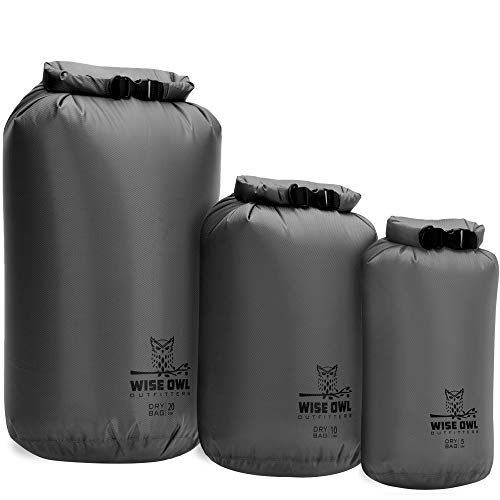
Dry bags are available in different sizes. The minimum capacity of a dry bag is 1 liter whereas the maximum capacity of a dry bag could be 55 liters. However, the standard size of a dry bag is somewhere around 20 liters.
Small Sized Dry Bags
Small dry bags have a maximum carry capacity of 10 liters. These small dry bags are mainly used for keeping electronic items and other small items. Small dry bags usually don’t have straps attached to them. More often than not, small dry bags get placed inside a larger bag.
Medium Sized Dry Bag
Medium-sized dry bags have a maximum carrying capacity of 20 liters. Large and heavy electronic items and clothes can be stored in such medium-sized dry bags. Most medium-sized dry bags have a single strap attached to them to make it easier for people to lift and carry them.
Large Sized Dry Bags
The maximum carrying capacity of dry bags is 40 liters. These large-sized dry bags are widely used in watersports as they have got enough storage space to keep all your valuable items safe and secure.
Extra Large Dry Bags
These extra-large dry bags have a carrying capacity of 50 liters and more. They are mainly used by hikers or by campers to store a large volume of items.
What Do You Use A Dry Bag For?
As we have already explained dry bags are mainly used in those water sports where the chances of getting wet are pretty high. Dry bags help us keep our valuable digital items safe by preventing the water from coming in contact with them.
Can You Submerge A Dry Bag?
Most dry bags stay afloat on water. Unless you have purchased a dirt-cheap dry bag, the chances are that the dry bag will float on the water no matter what. Cheap dry bags are less water-resistant because they are made from low-quality materials whereas premium dry bags are more water-resistant and therefore, they will not get submerged in water that easily.
How To Seal A Dry Bag?
Sealing a dry bag is not that complicated. You just need to follow some simple steps and you are good to go. First, you will have to squeeze out all the excess air from the dry bag and then fold the seal multiple times (like 3 to 5 times). This will ensure that the dry bag is totally watertight.
How To Remove Mildew From A Dry Bag?
Mildews are linked to so many infections and diseases. Mildews can cause depression, nervous related disorders and even extreme cases of allergies. It can even lead to respiratory problems if not tackled properly. This is the reason why you need to remove mildew from the dry bag.
Now, removing mildew from your dry bag is not that complicated. You can use warm water on mildew to remove them but resist the temptation of using boiling water to kill mildew instantly because that can damage the seams of the dry bag. Alternatively, you can use non-detergent soap to get rid of mildew. Some people are even using salt and lemon juice to kill the mildew. One important thing that you need to remind yourself time and again and that is – not to place the dry bag in the dryer because that can damage the dry bag significantly. Allow it to get dried out naturally.






 Best Kayak Racks for RAM 2500
 Best Kayak Racks for GMC Envoy