Best 7 Kayak Float Bags For the Money

By Arthur · Updated · 12 min read

We may earn a commission when you buy through our links, at no extra cost to you.

Most folks don’t think about float bags until they’re upside down in the water wondering why their kayak feels like a sunken couch. It’s one of those things – nobody talks about ’em at the campfire, but when your boat takes on water and doesn’t immediately sink like a soggy log, you’ll wish you had a couple stuffed up front and back. And hey, they ain’t flashy, they don’t come in cool colors or make your kayak go faster. But they do the one job that actually counts when things go sideways: keep your boat afloat.

Now if you’ve been poking around online or wandered into an outdoors store, you’ve probably seen a dozen options and wondered – why does one cost $20 and another look like it was built for a moon mission? Truth is, you don’t need the fanciest float bag on Earth. You just need one that fits right, holds air without wheezing out by lunchtime, and doesn’t pop if you so much as glance at it wrong. So, here’s a no-fluff look at the best 7 kayak float bags that won’t empty your wallet or your boat.

Our top picks at a glance

Top pickBest overall Harmony Gear Long Bow Flotation Bag

Harmony Gear Long Bow Flotation Bag

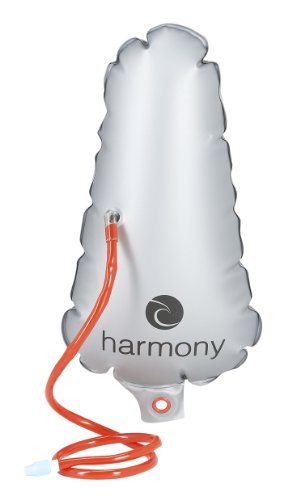
The Harmony Gear Long Bow Flotation Bag is designed to add crucial buoyancy to your whitewater kayak’s bow compartment, especially for shorter boats without bulkheads.

Check price on Amazon
Runner-upBest for playboats Harmony Vinyl Rodeo Kayak Floatation Bag

Harmony Vinyl Rodeo Kayak Floatation Bag

The Harmony Vinyl Rodeo Kayak Floatation Bag is a compact, rugged solution built for playboats and rodeo kayaks that need reliable buoyancy in the stern.

Check price on Amazon
Also greatBest split stern pair NRS Split Kayak Flotation

NRS Split Kayak Flotation

The NRS Kayak Stern Float Bags are a dependable pick for paddlers who want maximum buoyancy and quick drainage after a capsize—especially in whitewater or creeking kayaks...

Check price on Amazon

Quick comparison

ImageProductStandout featurePrice
Harmony Gear Long Bow Flotation BagHarmony Gear Long Bow Flotation BagBest overallAdds essential buoyancy to short whitewater kayaksCheck price
Harmony Vinyl Rodeo Kayak Floatation BagHarmony Vinyl Rodeo Kayak Floatation BagBest for playboatsBuilt for rodeo/playboat-style kayaksCheck price
NRS Split Kayak FlotationNRS Split Kayak FlotationBest split stern pairHeavy-duty urethane material is tough and long-lastingCheck price
Harmony Kayak Float BagHarmony Kayak Float BagBest for low-volume boatsSized for micro playboats and tight compartmentsCheck price
NRS Kayak Stern Float BagsNRS Kayak Stern Float BagsBest split stern pairIncludes two float bags—perfect for center-pillar sternsCheck price
Harmony Gear Micro Flotation SetHarmony Gear Micro Flotation SetBest bow and stern setFour bags for bow and sternCheck price
NRS Standard Kayak FlotationNRS Standard Kayak FlotationMost size optionsBuilt with ultra-durable urethane—resists punctures and UV damageCheck price

Best 7 Kayak Float Bags For the Money

Harmony Gear Long Bow Flotation Bag
#1 · Best overall

Harmony Gear Long Bow Flotation Bag

The Harmony Gear Long Bow Flotation Bag is designed to add crucial buoyancy to your whitewater kayak’s bow compartment, especially for shorter boats without bulkheads. Made with heavy-duty vinyl, this float bag fills up space in the kayak to prevent it from fully submerging if capsized—making rescue and recovery easier. It’s a must-have for paddlers tackling rivers, creeks, or surf zones, where swamping can happen fast and unexpectedly.

Installation is straightforward—just stuff it into the bow, inflate it, and secure the tie-ins. Keep in mind it’s sold as a single float (not a pair), so make sure your setup needs just one or be ready to order two. It’s not meant for sea kayaks or touring models with sealed compartments but works great in whitewater playboats or creekers.

What we like
  • Adds essential buoyancy to short whitewater kayaks
  • Durable vinyl construction resists punctures and abrasion
  • Easy to inflate and secure
  • Helps with faster drainage and easier rescue after a capsize
Keep in mind
  • Sold as a single unit—not a pair
  • Doesn’t fit sea kayaks or long boats with sealed bulkheads
Check price on Amazon
Harmony Vinyl Rodeo Kayak Floatation Bag
#2 · Best for playboats

Harmony Vinyl Rodeo Kayak Floatation Bag

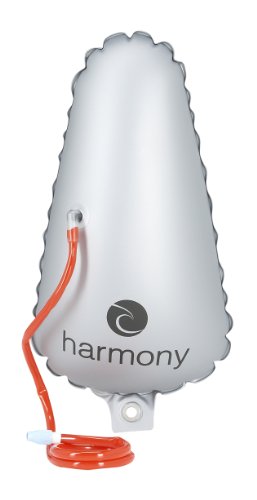
The Harmony Vinyl Rodeo Kayak Floatation Bag is a compact, rugged solution built for playboats and rodeo kayaks that need reliable buoyancy in the stern. Made from tough vinyl, this float bag helps displace water during swamps or capsizes, making it easier to recover your kayak in whitewater conditions. It’s especially useful in boats without rear bulkheads, where a filled float bag can prevent the kayak from sinking deep or becoming waterlogged.

Designed to fit snugly in the stern of shorter freestyle kayaks, it’s easy to inflate, install, and tie down using built-in attachment points. But remember—it’s sold individually, so if you want full rear float coverage, you’ll need to grab two. Great for newer paddlers and seasoned river rats alike.

What we like
  • Built for rodeo/playboat-style kayaks
  • Rugged vinyl construction resists wear and tear
  • Helps with swamped-boat recovery in whitewater
  • Compact size fits sterns without bulkheads
Keep in mind
  • Sold as a single unit—buy two for full coverage
  • Not suitable for longer or sea kayak hulls
Check price on Amazon
NRS Split Kayak Flotation
#3 · Best split stern pair

NRS Split Kayak Flotation

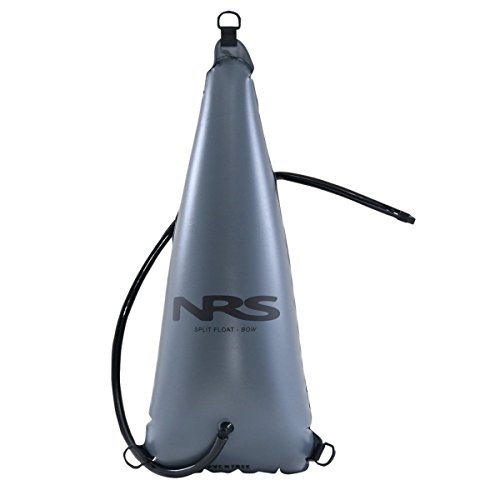
The NRS Kayak Stern Float Bags are a dependable pick for paddlers who want maximum buoyancy and quick drainage after a capsize—especially in whitewater or creeking kayaks. Made from heavy-duty 10-gauge urethane, these split stern bags are designed to fill both sides of your kayak’s rear compartment. They resist punctures, abrasion, and UV damage better than many standard vinyl bags out there.

Each set includes two separate float bags, one for each side of the stern—perfect for boats with a center pillar. The twist valve makes inflation and deflation hassle-free, and tie-in points keep them in place no matter how rough the water gets. They’re a go-to option for kayakers who push gear hard and need it to hold up season after season.

What we like
  • Heavy-duty urethane material is tough and long-lasting
  • Designed for split stern kayaks with center pillars
  • Includes two bags per set
  • Easy inflation/deflation with reliable twist valves
Keep in mind
  • Won’t fit well in long touring kayaks
  • Pricier than basic vinyl float bags
Check price on Amazon
Harmony Kayak Float Bag
#4 · Best for low-volume boats

Harmony Kayak Float Bag

The Harmony Kayak Float Bag (Micro size) is crafted for short, low-volume whitewater boats or smaller play kayaks that lack built-in flotation. Constructed from durable vinyl, it slides easily into tight compartments—usually the stern—and provides enough buoyancy to keep your kayak from filling up or sinking when swamped. It’s especially handy in boats without a rear bulkhead, where a good float bag can make or break a recovery.

Its compact size makes it ideal for boats with limited internal space, but like many Harmony float bags, this one’s sold individually, so you’ll need two if your kayak has room on both sides of a center pillar. Inflates and ties in quickly, making it a solid choice for weekend paddlers or beginners getting into creeking or freestyle.

What we like
  • Sized for micro playboats and tight compartments
  • Vinyl material resists punctures and abrasions
  • Quick to inflate and easy to install
  • Great for whitewater and beginner kayakers
Keep in mind
  • Sold as a single float bag
  • Too small for medium or large volume boats
Check price on Amazon
NRS Kayak Stern Float Bags
#5 · Best split stern pair

NRS Kayak Stern Float Bags

The NRS Kayak Stern Float Bags are built tough for serious paddlers tackling whitewater, creeks, and river runs. Made with 10-gauge urethane, these float bags are a step up from standard vinyl—resisting punctures, tears, and UV damage while staying lightweight. Designed to fit split stern kayaks with a center pillar, the pair of bags wedge into each side of the stern to displace water and help with easier recovery after capsizing.

They come with twist valves for quick inflation and deflation, plus tie-in points to secure them tight so they won’t shift mid-rapids. If your kayak doesn’t have bulkheads, or you’re tired of wrestling out a swamped boat after a spill, this set makes your day way easier on the water.

What we like
  • Includes two float bags—perfect for center-pillar sterns
  • Made from super tough urethane for durability
  • Reliable twist valves for fast air control
  • Resists UV damage and abrasions better than vinyl
Keep in mind
  • Doesn’t fit kayaks without split stern design
  • More expensive than basic float bags
Check price on Amazon
Harmony Gear Micro Flotation Set
#6 · Best bow and stern set

Harmony Gear Micro Flotation Set

The Harmony Gear Micro Flotation Set includes two bow bags and two stern bags, sized to fit either side of a center wall, with a universal fit for 8 to 10 foot kayaks. Filling both ends keeps water out of the hull after a capsize, so the boat floats higher and is easier to empty and re-enter.

Each bag has an easy twist valve with a high-capacity dump for quick air changes, and RF welded seams for a continuous seal. The 3D vertical end seam follows the curve of the hull for a better fit. The silver material is designed to reduce the chance of bursting on hot, sunny days.

What we like
  • Four bags for bow and stern
  • Twist valve with quick dump
  • RF welded seams
  • Heat-regulating silver material
Keep in mind
  • Sized for 8 to 10 ft kayaks
  • Needs a center wall to sit well
Check price on Amazon
NRS Standard Kayak Flotation
#7 · Most size options

NRS Standard Kayak Flotation

The NRS Standard Kayak Flotation bags are rugged and reliable gear for kayakers who need solid buoyancy in boats without bulkheads. Designed to fit the stern or bow of whitewater and creek kayaks, these bags are built from tough 10-gauge urethane fabric—which means they won’t peel, crack, or tear like cheaper vinyl options. They’re especially useful if you run rapids or surf and want to make boat recovery way less of a nightmare after a spill.

Each bag includes a twist valve for easy inflation, and multiple tie-down points so you can lock it in place securely—even when things get chaotic on the river. Sizes vary (small, medium, large), so you can match them to your kayak’s dimensions without stuffing oversized bags where they don’t belong.

What we like
  • Built with ultra-durable urethane—resists punctures and UV damage
  • Multiple sizes to fit various kayak compartments
  • Reliable twist valves and tie-ins for secure fit
  • Ideal for whitewater kayaks without bulkheads
Keep in mind
  • Sold individually—not a pair
  • Pricier than standard vinyl float bags
Check price on Amazon

How to Choose Kayak Float Bags

Bow, Stern, or Split

Stern bags fill the space behind the seat, bow bags fill the front, and split bags come in pairs that sit on either side of a center pillar. Look inside your kayak to see which spaces are open and whether a pillar divides them. Using both bow and stern bags gives the most buoyancy if the boat swamps.

Size to Fit Your Boat

A float bag should fill the space it sits in without being forced. Too small and it shifts or leaves room for water, too big and it can strain its seams or press on the hull. Compare the listed sizes with the length and volume of your kayak's ends, and choose smaller sizes for low-volume playboats.

Vinyl or Urethane

Vinyl bags are common and cost less, but they can stiffen or crack with age and sun exposure. Urethane is tougher, more flexible, and more resistant to punctures and UV, which suits paddlers who use their gear hard. Either material works if you store bags out of the sun and check them for leaks.

Valves and Tie-Ins

A long inflation tube or twist valve lets you top off the bag after it is in place. Tie-in points keep it from washing out of the kayak during a swim. Make sure the bag can be secured to your boat's pillar, seat, or deck fittings so it stays put in rough water.

How to Find The Best Kayak Float Bags (Without Losing Your Mind or Wallet)

So okay. You’ve got this kayak. Maybe it’s a sleek hard-shell you found secondhand from that guy three streets down who always smells vaguely like weed and bacon. Or maybe it’s a brand-new plastic beauty you impulse-bought after watching one too many YouTube videos titled “Solo Kayak Adventure Gone Wrong.” Either way, you’re now staring down a crucial decision — kayak float bags. Yep, those squishy pillow-things that are supposed to keep your boat from sinking when the world goes sideways.

Honestly, nobody talks about float bags until it’s too late. Until you’re in the water, upside down, yelling at yourself like an idiot for thinking a pool noodle would do the same thing.

Let’s… try to make some sense of this.

Why You Even Need These Puffy Boat Balloons

First time I heard of float bags I thought, what, are kayaks suddenly full of air now? Like, shouldn’t they float by default? And yes, they mostly do. Until they don’t.

When water floods into an empty kayak — say after a wet exit or a dumb spill because you tried to reach for your sandwich mid-paddle — it becomes this deadweight nightmare. Hard to lift, hard to tow, just generally awful. That’s where float bags go “hi, we’re useful now.”

They fill the empty space in your kayak with air, so when the boat fills with water… it actually doesn’t. Not all of it. That’s the whole deal. They’re not flashy, not fun, just… practical. Like ziplock bags or a really decent plunger.

Not All Float Bags Are Created Equally (Some Suck)

Okay so here’s the thing nobody says out loud: some float bags are trash. Like, they look okay online, then they arrive and smell like melted raincoats from 1993. The seams split when you breathe wrong near ‘em, and the valves? The valves are sometimes straight-up lies. I had one that hissed like a leaking balloon the second I tried using it. Brand new. From a big-name brand too, which I won’t name here but rhymes with “Madbro.”

So yeah — be suspicious of float bags under twenty bucks. Especially the ones that say “universal fit” or “multi-use” or have weird stock photos of rafting instead of kayaking. If they look like a yoga ball and come folded like origami, skip ‘em.

Material Actually Matters (Even If You Don’t Care About That Stuff)

This bit’s boring but important. Most decent float bags are made of vinyl or urethane-coated nylon. The vinyl ones? Cheaper, kinda plasticky, but they do the job for casual stuff. The nylon ones? Pricier, tougher, and weirdly satisfying to touch. Like a rain jacket that’s seen some things.

Thing is, the urethane-coated nylon ones last longer, especially if you’re not gentle with your gear. If you’re the type who crams everything into the car like a raccoon stuffing its cheeks, go nylon. If you store things properly and treat your paddle like it’s made of glass — then fine, vinyl might last you long enough.

Side note: don’t leave ‘em in a hot car. I did that once. Came back and the float bag had puffed itself up like a pissed-off pufferfish. It hissed when I touched it.

Sizing: If It Fits, It Floats (Sorta)

This is where people mess up. You can’t just grab any float bag and assume it’ll play nice with your kayak. They come in sizes, man. Like pants. Except if your pants explode under pressure, that’s your fault.

Bow bags. Stern bags. Center bags. Some kayaks only need one. Others need a full air force. You gotta know your boat’s layout — is it a sit-in kayak with bulkheads? Are the ends wide, narrow, pointy like a vampire’s fang? Measure the compartment first. Then actually check the float bag specs.

Here’s a dumb thing I did: bought two stern float bags for a kayak that had a built-in rear bulkhead. Yeah. Float bags didn’t even fit. Just sat there, flapping around like sad lungs.

Brand Name or Busted? Depends on How Lucky You Feel

Okay I said earlier I wouldn’t name brands. But I’m gonna contradict myself real quick. Seattle Sports? Pretty solid. NRS? Often the go-to. Harmony Gear? Meh, hit or miss. There are some weird off-brand ones on Amazon that look okay… until the second paddle trip when they start smelling like burnt rubber and betrayal.

But sometimes the no-name stuff works fine. Just read reviews like a maniac. Especially the angry ones. I trust one-star reviews more than five-star love letters. If someone says “mine deflated mid-rescue” — you bail on that product. Hard.

One time I saw a float bag listed as “also usable as a camping pillow.” Red flag. No float bag should be multi-purpose. That’s just asking for trouble.

Valves and Inflation: The Devil’s in the Details

This part’s frustratingly dumb. Some float bags come with these dinky twist valves. Others have those long tubes that make you feel like you’re inflating a beach ball with a straw. Neither are great. But some are less annoying than others.

I once got one where the valve just… fell off. Like, it unscrewed entirely the moment I tightened it. You haven’t known rage until you’re inflating a float bag at sunrise and suddenly hear pop and your morning optimism deflate with it.

Pro tip: if the valve looks like it came from a kid’s toy, it probably acts like one.

Color? Yeah, Actually It Kind of Matters

Weirdly enough, bright float bags are easier to see in a flooded kayak. Yellow, orange, neon green — they’re not just ugly by accident. They’re practical. A gray or black float bag? Practically invisible when you’re panicking in murky water.

Plus, fish won’t care what color it is. And if you’re thinking “but it doesn’t match my kayak,” just… no. This isn’t about fashion. It’s about not losing your kayak in a current because you couldn’t see the ends.

Closing Thoughts (Kinda)

There’s no perfect float bag. That’s the big twist ending here. Just the one that fits, doesn’t leak, and doesn’t smell like despair. You gotta try a couple. Maybe one rips and teaches you a lesson. Maybe you love one so much you name it (mine’s called Baggy — not original, but it stuck).

And hey — if you ever think, “Eh, I don’t need float bags,” remember this: the lake don’t care what you think. Water just… goes where it wants. Your gear’s either ready, or you’re swimming back without it.

Buy the damn bags. Inflate ‘em. Trust ‘em (sorta). And always check the seams before you paddle out.

You’ll thank yourself later. Or maybe curse less when you flip. That’s still a win.

Frequently asked questions

Do I need float bags if my kayak has bulkheads?

Sealed bulkheads already trap air in the hatches, so many touring kayaks do not need float bags. They matter most in whitewater and other kayaks with open ends and no bulkheads, where a capsized boat can fill with water and become heavy and hard to recover. Check how your own kayak is built before buying.

How firmly should I inflate a float bag?

Inflate it until it fills the space snugly and presses gently against the hull, but not so hard that it strains the seams. Air expands in hot sun and contracts in cold water, so leave a little room on warm days and top it off once you are on the water if it softens. Tie it in so it cannot slip out.

Should I get one large float bag or a split pair?

That depends on your kayak. Many whitewater boats have a center pillar running down the stern, which leaves two narrow spaces on either side, and a split pair fills those well. Boats without a pillar can take a single wider bag. Look inside your kayak's ends and measure before ordering.

More guides like this

Harmony Gear Long Bow Flotation BagOur top pickHarmony Gear Long Bow Flotation BagCheck price