We may earn a commission when you buy through our links, at no extra cost to you.
Manual Bilge Pump Vs Automatic Bilge Pumps
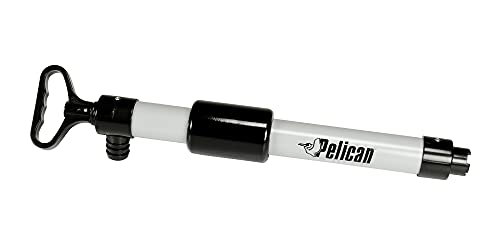
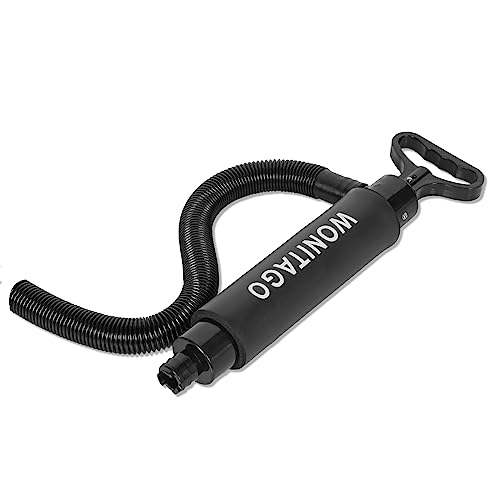
Manual Bilge Pump
Pumping out water from, your kayak with a manual bilge pump
may seem like a fun idea but believe me, it is not! You will soon be out of
breath. Lifting the handle of the pump and pushing it down on a continuous
basis will definitely make you feel miserable. This is the reason why you need
to invest some dollars on a good quality automatic bilge pump so that the
aforementioned process can easily be automated.
However, manual bilge pumps have their own set of
advantages. For example, they are easy to carry around and they don’t eat up a
lot of kayaking real estate. They also sport a compact design and they are less
expensive too.
Automatic Bilge Pumps
Automatic bilge pumps can drain the water out without you
doing the hard work. All you have to do is to press a button! Automatic bilge
pumps are great for large boats. Sometimes big kayak gathers so much water that
paddlers with manual bilge pumps have to stop paddling in order to pump out the
water manually.
However, there are some minor downsides to automatic bilge
pumps. For example, they are bulkier and therefore, they eat a lot of kayaking
real estate. A major advantage of Automatic Bilge Pump is that they can be
installed on a boat or on a kayak with little or no effort. As soon as the
water level reaches a certain point in the kayak, the Automatic Bilge Pump
starts working and the tanks get emptied out automatically so that you can
concentrate on what you do best and that is – kayaking.
Just make sure that the automatic bilge pump is cleaned
properly and if you notice any buildup inside it or identify the presence of
any debris, you need to get it cleaned. Other than that, automatic bilge pumps
need very little maintenance.
How
To Choose The Best Kayak Bilge Pumps
Finding the right kayak bilge pump is not that easy. There
are so many factors that you need to take into considerations before making the
final move. Here we have listed some of those factors. Check them out –
1. Size
Do you need a small bilge pump or a standard-sized bilge
pump? That is the question. Well, in case, you are confused, you need to take a
look at your kayak. Is it a 1 person kayak or a tandem kayak?
If it is a tandem kayak, a 20 inches long bilge pump would
be needed to pump all the water out. But in case it is a 1 person kayak, a
shorter bilge pump will do.
2. Purpose
The bottom of the kayak will accumulate water over time.
Since the bilge section of the kayak sits below the water level, it tends to
collect water inside. Waves, leaks, rain or even drips from paddles can create
a puddle inside. We all understand how uncomfortable it can get when you have
to paddle for hours while water level inside keeps rising every minute.
Now in order to remove excess water from the bottom of your
kayak, you have two options – Electrical Bilge Pumps and Manual kayak Bilge
Pumps. When the weather is calm, hand bilge pump is more than enough to drain
the water out of the bottom of the kayak. But if the weather turns for the
worse and when your kayak gets battered by giant waves, manual bilge pump will
prove ineffectual. In those extreme conditions, you need to use electrical
bilge pumps.
So that means, manual bilge pumps are ideal for lake or river
kayaking or any other recreational kayaking expeditions whereas electrical
bilge pumps are ideal for whitewater kayaking expedition,
3. Material
Now, as you have already noticed most hand-operated bilge
pumps are made from plastic and the reasons are quite obvious. Plastic makes this
hand-operated bilge pumps lightweight and also plastic is water-resistant. It
does not rot if it comes in contact with saltwater.
But the internal materials/parts of a kayak bilge pump
should be made from tougher and durable materials like stainless steel. The rod
should be made from stainless steel as it will endow it with strength and
increase its lifespan.
Another important thing that you should not ignore is the
floatability aspect of the bilge pump. If the bilge pump does not float on
water, it is just a matter of time that you will lose your pump. To ensure that
the manual bilge pumps can easily float, foam sleeve coating is applied to it.
However, battery-operated bilge pumps are heavier and their internal parts are
made from metals and therefore, it is quite obvious that they will not float in
case of capsizing. But there is a silver lining and that is – these batteries
operated bilge pumps tend to be attached permanently to the kayak and
therefore, there is no question of losing it.
4. Power
Source
Muscle and battery are two primary sources of power of most
kayak bilge pumps.
Battery-powered bilge pumps either use a sealed 12v acid
battery or on alkaline “D” size battery. Sometimes, these sealed 12v acid
batteries come equipped with an automatic shut-off function. Since the entire
process of water draining gets automated thanks to Battery-powered bilge pumps,
paddlers are free to do whatever they like to do – like paddling or fishing.
Battery-powered bilge pump continues to drain water out of
the bottom of the kayak as long as it has a certain water level and when the
water level drops below a certain point, this Battery powered bilge pump gets
shut off automatically. Another major advantage of battery-powered Bilge pump
is that it can drain out large amounts of water in a short period of time and
the best part, you don’t have to stop paddle for that. It will get it done
automatically and very little human intervention is required thus making it
ideal for intense sports like whitewater paddling.





 Best Kayak Racks for RAM 2500
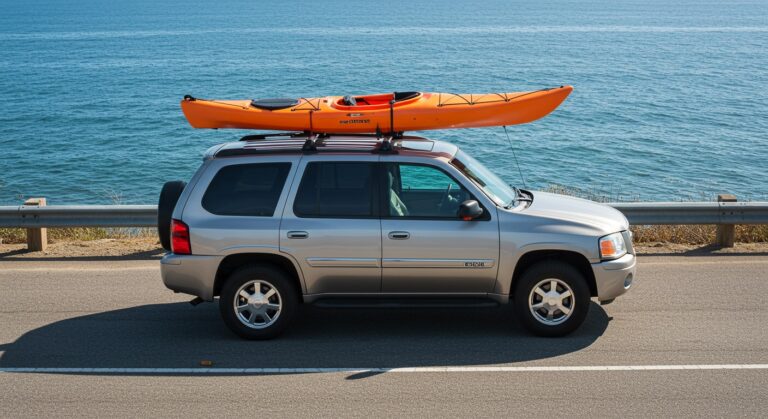 Best Kayak Racks for GMC Envoy