We may earn a commission when you buy through our links, at no extra cost to you.
Small Lightweight Kayaks Buying Guide
In the below-listed details, you can find the aspects that are worth considering when you’re interested in purchasing lightweight kayaks.
1. Beam Width
Kayak beam is an important point to consider because they determine how the kayak behaves in water. In the case of kayaks having wide beams, the boat remains stable. Though they can make the kayak hard to maneuver and you may have to paddle because they cause the boat to drag.
With narrow beams, your kayak can touch high speeds because of less resistance. Additionally, they are easy to maneuver and the boat is more responsive. Though, kayaks having narrow beams are not very stable, which increases the chances of the boat toppling over.
In general, people keep in mind the purpose for which they are buying a kayak. Depending on whether they are looking to purchase a kayak for recreational or touring purposes, they make their choices.
Kayaks that are fitted with wide beams (more than 30 inches) provide stability to the boats. Thus, they are popularly recommended by photographers and anglers. Because with them you do not need to paddle much but have to only stand up at intervals. Alternatively, narrower kayaks are favored for kayak racing because they glide smoothly in the water sans any drag.
2. Measurement (Width and Length)
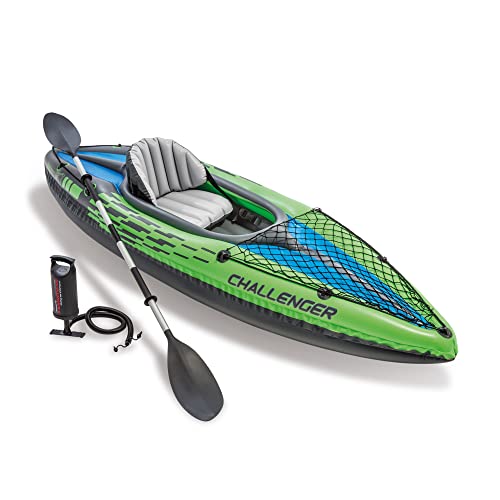
For large-sized people, you would want a heavy craft so you’re comfortable when seated in the cockpit. However, if you are interested in purchasing a lightweight and portable kayak, consider getting an inflatable one.
Even so, keep in mind that the size of the kayak does not only affect the boat’s weight and how comfortable you’ll be when riding it, but also the performance of your craft.
Kayaks that come with long, narrow keels are designed for speed and distance. They are suitable when going on tours or overnight stays. Though, they are difficult to turn.
On the other hand, shorter kayaks having V-shaped hulls are built for riding on Whitewater and are easy-to-manoeuvre.
3. Storage Space Onboard
An important point to note when shopping for lightweight kayaks is that they do not have much storage space. However, this rule does not apply to all lightweight kayaks. Even so, the storage hatches and tank wells will affect the overall weight of your kayak.
Also, most kayaks are not devised for covering long distances when going on treks or tours. So, if you want a lightweight kayak that is ideal for covering long distances, ensure you do your research well beforehand.
4. Type of Material Used
The majority of the hardwearing kayaks are composed of the rough, UV-protected polyethylene- a tough and durable plastic. Kayaks made of such plastics can withstand scratches and bumps, though they affect the general weight of your vessel.
Conversely, inflatable kayaks are not as durable, though they are preferred for their portable and lightweight features.
Among the top-range models, the fiberglass and Kevlar ones are ultra-light, but they are costlier as compared to the other varieties.
Overall, take into account your needs and preferences before making your purchase decisions for lightweight kayaks.
5. Transportation and Storage
Transportation and storage aspects are important considerations for kayakers when looking to buy kayaks. Here, lightweight kayaks score high. And inflatable kayaks are also the preferred choice of many. Yes, many people prefer lightweight and inflatable kayaks because they are easy-to-carry in their vehicles or storing in closets that have limited room.
Other aspects that are important to consider when purchasing kayaks are grab lines, T-handles, handles, and security features.
Also, if you are looking to invest in hardshell kayaks – will you be able to lift and transport the boats with little fuss – particularly, if venturing out alone?
Small Kayaks FAQ



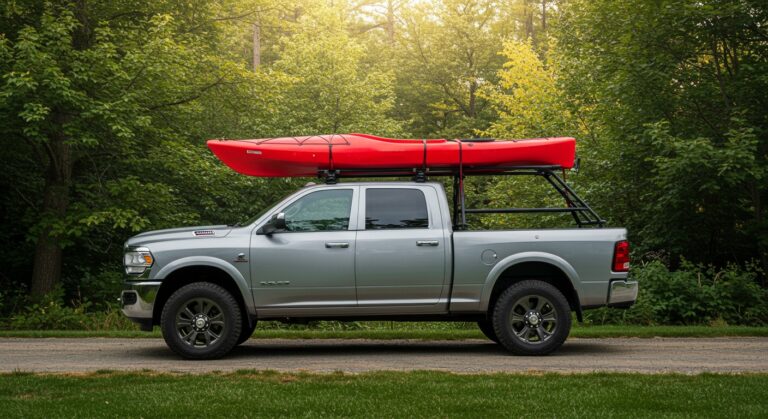 Best Kayak Racks for RAM 2500
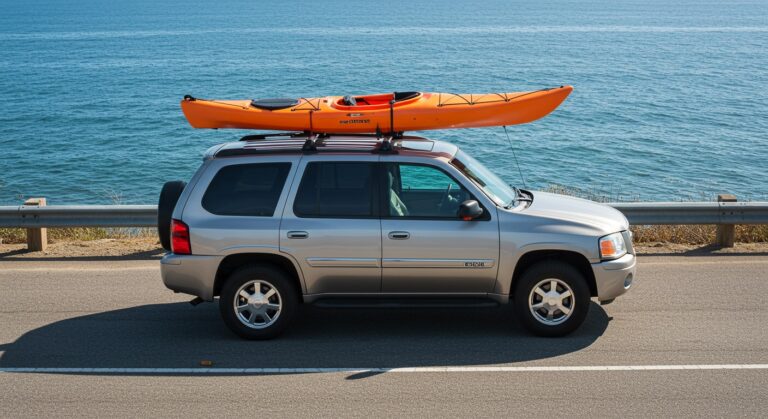 Best Kayak Racks for GMC Envoy