We may earn a commission when you buy through our links, at no extra cost to you.
How to Choose the Best Kayak Track Mount Tie Downs
Tying stuff to your kayak ain’t just about knots. If your gear goes overboard mid-paddle, you’re not gettin’ it back. That’s where kayak track mount tie downs come in. But buying the wrong kind? That’s how you waste money or, worse, lose expensive gear.
What Exactly Is a Track Mount Tie Down?
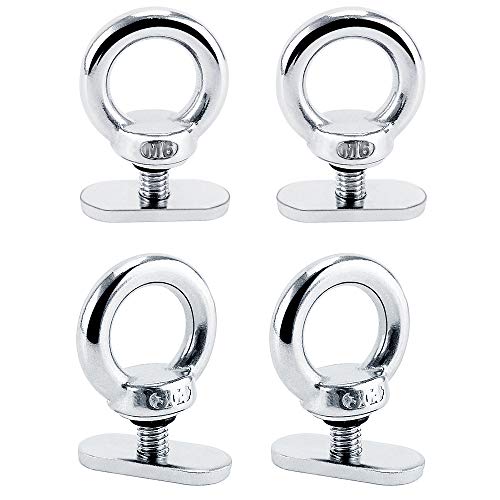
So here’s the thing. On most modern fishing kayaks, like Hobie, Bonafide, or Old Town Sportsman, you get gear tracks – those metal or plastic rail things along the side. Track mount tie downs are small anchor points that slide into those grooves, so you ain’t gotta drill holes or do weird mods.
You use ’em to hold down crates, coolers, dry bags, rods – pretty much whatever you don’t wanna lose if the water gets choppy.
Match the Track Type First (Or Nothing Gonna Fit)
Not all tracks are the same. Some kayaks got YAKATTACK GearTrac rails, others got Scotty or RAM Mounts. The profile – shape and size – of the groove matters a lot. You buy the wrong tie-down base, it’s either too loose or won’t slide in at all.
Most universal kayak tie downs say what tracks they work with. If they don’t list it, assume it won’t fit. Some tracks are 13mm wide, others are 10mm, and some are just plain weird.
Pro tip? Take a caliper and measure your track slot before ordering stuff. Sounds extra, but it saves you from returns and swearing later.
Strength Actually Matters – Some Break Easy
Don’t let the tiny size fool you. Good track tie-down points gotta hold down real weight. Especially if you’re strapping in a heavy fishing crate, or a livewell, or gear that shifts when paddling fast.
Look for ones made of marine-grade aluminum, nylon-reinforced polymer, or even stainless steel. Avoid cheap plastic ones—they crack under stress. You want at least a 25–50 lb load rating per anchor point, more if you’re securing heavier gear.
Also check if the bolts are stainless or just painted metal. Saltwater eats cheap hardware quick, especially down in Florida or the Gulf.
Size & Profile – Low or Tall?
Some tie downs stick up too much. You’ll hate that when paddling or casting near ‘em. Look for low-profile kayak tie-down anchors if you’re trying to keep your deck clean.
But… taller ones can be easier to loop bungees or straps through. So it’s a tradeoff. People using big coolers like the Yeti Roadie or BlackPak crates usually prefer taller tie points.
How Easy is It to Slide & Lock?
The point of track mount tie downs is to move them around. So if you gotta unscrew everything just to adjust, that’s a hassle. Look for quick-release track knobs or push-button systems.
Some brands like YakAttack and Railblaza offer tool-less adjustment. That’s good when you’re on the water and wanna shift gear around based on weight or balance.
Also check if they wiggle. Poor-fitting ones will rattle all trip and drive you nuts. That means they don’t bite into the track tight enough. You want them snug.
Bungee, Cam Strap, or Rope?
How you planning to use them?
- Bungee tie downs are fast and flexible but not as tight.
- Cam buckle straps give tighter hold but take longer to adjust.
- Rope with carabiners gives the most customization but is slowest to use.
If you’re strapping something light like a jacket or dry bag, go with bungees. But for battery boxes, kayak trolling motors, or anchor trolleys, use cam straps through a fixed tie down.
You can mix and match. It ain’t a rule.
Don’t Ignore the Screws and Hardware
Many kits include track t-bolts but not always the best kind. Some strip easy. Some corrode. Look for 1/4″-20 stainless steel t-bolts with deep threading.
Also make sure the washer or plate behind the tie down sits flush with the track groove. If it don’t, you’ll get a loose fit no matter how tight you crank it.
And torque it properly. Too tight, you’ll snap the rail. Too loose, it’ll slide when you least want it to.





 Best 5 Waterproof Phone Cases for Kayaking
 Best 5 Kayak Anchor and Push Poles
 Best 6 Kayak Paddles Under $200