We may earn a commission when you buy through our links, at no extra cost to you.
How to Choose the Best Kayak Racks for Ford Edge
When you’re picking a kayak rack for your Ford Edge, you’re probably imagining that it’s all about just picking the first one you see, right? Well, not really. You’d be surprised how much it can affect not just your kayaking trips but the overall handling of your vehicle. Kayaks aren’t exactly light, and without the right equipment, your ride could suffer.
Let’s break this down step-by-step, but don’t expect a simple answer. The devil’s in the details, as they say. You gotta consider a lot more than just what looks good or fits easily. Size, weight, compatibility—each of these factors play a role.
Vehicle and Roof Compatibility
The Ford Edge has a decently-sized roof, but not all kayak racks fit the same way. You can’t just grab any universal rack and expect it to be perfect. The Ford Edge, with its mid-sized SUV profile, needs something built for both its dimensions and handling. If you go with something too bulky or heavy, you’ll feel it in the way your car drives. Sometimes, a rack looks like it’ll fit, but once you’re speeding down the highway, you might hear a whistle (not the good kind) or feel vibrations that make you regret not thinking this through.
There’s no such thing as “one size fits all” when it comes to racks. Always double-check your Edge’s roof dimensions and crossbar spacing before buying. Ford’s official site or the vehicle manual can give you those specific measurements. But more than that, you’ll need a rack that holds steady, especially when you’re making sharp turns or on uneven roads.
Weight Considerations
Kayaks are heavy—some can weigh 100 pounds or more—and racks vary in how much weight they can bear. Not all of them can take that load. Most kayak racks will give you a weight limit, but it’s easy to forget that limit can include more than just the kayak. For example, the gear you’re strapping up there counts too. Overloading can lead to serious issues like damage to your vehicle’s roof or loss of stability on the road.
It’s a good idea to go with something sturdy, something that has been tested in real-world scenarios. And don’t just take a brand’s word for it. There’s been chatter on several forums where users reported some racks not standing up to their weight limit claims, especially after a few months of use.
Ease of Installation
Here’s where many people trip up. Installing kayak racks isn’t always a simple task. Some are practically a two-person job, others can be set up solo in a few minutes. Ford Edge owners, from what I’ve seen, often comment on the importance of getting racks that don’t require much hassle. You don’t wanna spend hours wrestling with tools or instructions that seem like they were written in a foreign language. Look for racks that are user-friendly, with clear guidelines and minimal tools required for setup.
Aerodynamics Matter More Than You Think
When you’re driving long distances, or just trying to save on gas, the way your kayak rack cuts through the air can play a huge role. Some people forget about this and grab the first heavy-duty rack they see, only to find out later that it’s killing their fuel efficiency. Even a small kayak can add a lot of drag, and the wrong rack can act like a wind-catcher. If you’re not careful, you might notice your car drinking up more gas than usual.
In some discussions online, users mentioned feeling the drag even on racks that claimed to be aerodynamic. The lesson? Don’t rely solely on manufacturer claims—real-world reviews from multiple users tell a clearer story.
The Material – Steel or Aluminum?
What’s your rack made of? Not many folks think about this, but it’s important. Steel is strong, no doubt, but it’s heavier and prone to rust if not properly coated. Aluminum, on the other hand, offers a lighter option that won’t rust but might not handle weight as well. If you live in an area where it rains a lot or you’re often near saltwater, corrosion could become a serious issue.
One option might seem more attractive in the short term, but think long-term too. While aluminum might cost a bit more, it’ll likely last longer in harsher weather conditions. A couple of users pointed out that steel racks, though durable, ended up corroding after a year or two of heavy use. So, what are you willing to compromise on?
How Secure Is Secure Enough?
Security. Another thing you don’t want to skimp on. Losing a kayak while driving is the last thing anyone wants. Plus, it can be dangerous not only for you but for other drivers too. If the kayak isn’t fastened securely, it could shift, damage your car, or worse—cause an accident.
Look for racks with reinforced tie-down points. Some designs come with additional straps for securing the kayak even further, which can help if you’re driving on bumpy roads. Based on personal experiences shared by others, getting a rack with extra locking features adds peace of mind.
Types of Kayak Racks
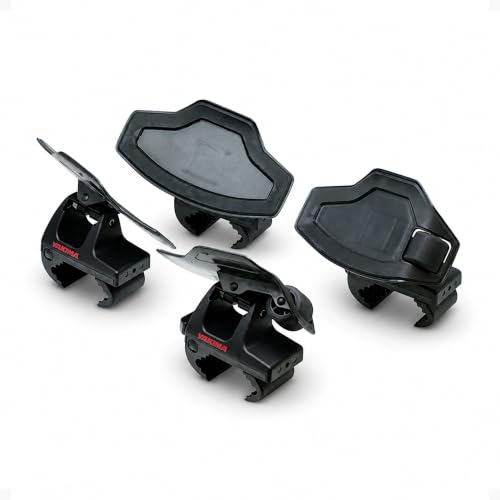
You’ve got choices. J-cradles are a popular option. They let the kayak sit on its side, giving you space for additional gear or another kayak. But these can sometimes be a bit awkward when you’re trying to load the kayak by yourself. Saddles, on the other hand, let the kayak sit flat on the roof of your Ford Edge, providing a more secure fit but taking up more roof space. There are also stackers, which allow multiple kayaks to be loaded vertically.
Choosing between these depends largely on how many kayaks you’re hauling, how easy you want the loading process to be, and the height of your vehicle. Some Ford Edge owners find J-cradles to be a good balance, but if you’re looking for simplicity, saddles might be the way to go. Also, don’t forget that some systems come with rolling mechanisms to help with loading.
Conclusion: What Works Best for You
Selecting the right kayak rack for your Ford Edge isn’t a one-size-fits-all process. You need to account for the weight of your kayak, the durability of the rack, ease of installation, and whether the design is suited for your particular vehicle. Some folks prefer J-cradles, others are loyal to saddles. One thing’s for sure: always consider real-world reviews and forum discussions. What looks great on paper might not work as well in practice.




 Best 5 Kayak Bed Racks for Toyota Tacoma
 Best 5 Kayak Racks for SUV for Single Loader
 Best 5 Kayak Racks for Buick Regal