We may earn a commission when you buy through our links, at no extra cost to you.
How to Choose the Best Kayak Racks for Chevy Silverado
You got a Chevy Silverado, right? Big, powerful truck but not made for lugging around a kayak straight off the lot. Gotta pick a proper kayak rack if you’re lookin’ to carry your gear safe without scratchin’ your roof or messin’ up your tailgate. And not all racks gonna fit your Silverado the same way, so it’s worth figuring it proper before dropping money on it.
One of the first thing you gotta think about is your bed size. Silverado comes in short, standard, and long bed. Each one affects what kind of roof-mounted kayak carrier or truck bed extender you might wanna go for. Short beds? You might need an extender or hitch-mounted rack. Long beds? More options, but they still ain’t foolproof. Don’t forget to measure the height, especially if you’re parking indoors. A lot of folks ignore that, then end up scraping garage ceilings.
Then there’s rack weight capacity. Don’t trust all them labels blindly. Some say “150 lbs capacity” but that’s for balanced load on even ground. Once you got wind hitting your kayak on the freeway, that’s a whole other situation. Silverado’s roof can take more than small cars, but still, your rack’s crossbars need to be made of decent aluminum or powder-coated steel. Cheap ones? They rust or bend. Even worse, they whistle like crazy.
Check how it attaches. Some racks clamp on the roof. Others need drilling or mounting on rails. If your Silverado already got crossbars, great—you can skip that hassle. No bars? Gotta install them. But be careful. Some aftermarket crossbars don’t line up well with factory roof curves. That leads to wobbly setups, especially with J-style kayak holders or saddle-style carriers.
Look out for aerodynamics. Silverado ain’t the most fuel-efficient ride, and putting a big kayak on a square rack gonna make it even worse. Some racks got wind fairings or angled arms to cut resistance. That shaves off some drag, maybe save a few liters of gas over long drives. That said, if you only drive 10 miles to the lake, maybe you don’t care. But if you’re road-trippin’ to different lakes or coasts, it adds up.
Security matters too. Not just for theft but also for peace of mind. A kayak tie-down system with lockable arms or ratchet straps with hooks helps keep everything tight. Cheap bungees? Bad idea. They snap or stretch, and your kayak ends up on the highway. Also, make sure to check for rubber padding on all touchpoints. Metal-on-metal is gonna scratch both your rack and your kayak. Won’t look good after a season.
Don’t forget about height after mounting. Silverado already tall. Add a rack and kayak, and you’re looking at over 8 feet easy. You might hit low bridges, parking structures, or tree limbs. So if you’re going for roof racks for kayaks, make sure you got a step ladder or you’re at least 6’4″. Some folks prefer bed-mounted kayak carriers for that reason—they’re lower, easier to load.
You also wanna think about multi-sport use. Maybe you plan on carrying more than kayaks—bikes, SUP boards, ladders even. Go for a modular system. Brands like Thule, Yakima, Rhino-Rack usually got multiple attachments. Might cost more upfront, but you ain’t buying new racks every year.
Price-wise, expect to pay around $150 to $600 depending on what you need. Basic kayak roof racks sit on the lower end. Full truck bed racks with crossbars and lock systems? Those hit the upper range. But don’t let price be the only factor. Compatibility and safety beat saving $50 on a rack that don’t even fit tight.
Lastly—installation. Some racks say “easy to install” but take 2 hours and 2 people. Read reviews. Some require torque wrenches, some just Allen keys. If you’re not handy with tools, maybe get a rack that don’t need permanent mods. Return policies? Always worth checkin’ just in case your Silverado model got some weird curves or trims.
Bottom line, your Chevy Silverado kayak rack choice depends on your bed size, kayak weight, drive distance, and storage plans. Prioritize fit, build quality, and ease of use over looks. Better a boring solid rack than a fancy one that rattles.




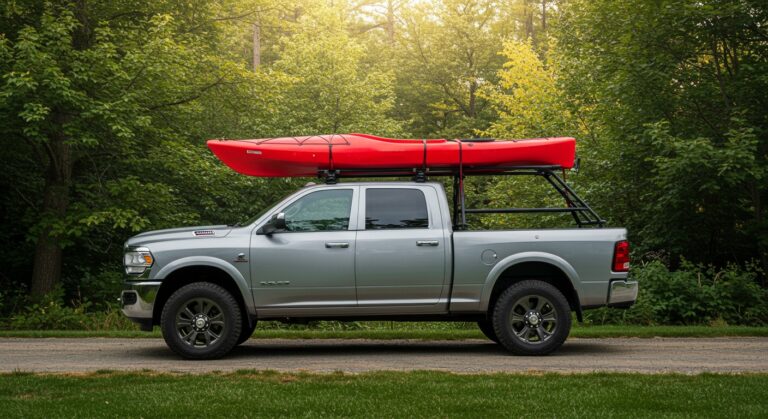 Best Kayak Racks for RAM 2500
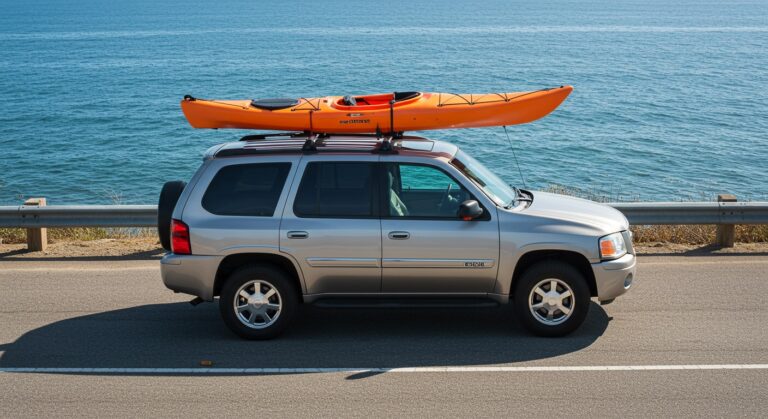 Best Kayak Racks for GMC Envoy