We may earn a commission when you buy through our links, at no extra cost to you.
How to Choose the Best Kayak Cover – Real Stuff You Actually Need to Know
A kayak cover ain’t some fancy accessory. It’s kind of basic, but folks skip it or buy wrong ones all the time. If your kayak’s sittin’ out in the sun, rain, or under a ton of tree gunk—then yeah, a cover matters a lot. Cheap ones won’t help much. They rip, they sag, they let in water. You end up with mold, sun-fade, maybe even cracked plastic if it’s polyethylene kayak in the summer heat.
Material Ain’t Just “Material”
You’ll see polyester everywhere. Not all are same though. Some of them’s only 210D or 300D thickness, which is like using a thin t-shirt for a roof. You’re better off with 600D or above polyester, waterproof coated – UV resistant kayak cover is the keyword you wanna look for.
Also, don’t fall for “water-resistant” labels. That usually means it’ll leak once rain gets serious. Get one that’s PVC-coated, or double-stitched seams if you got options.
Fit Is More Important Than Brand
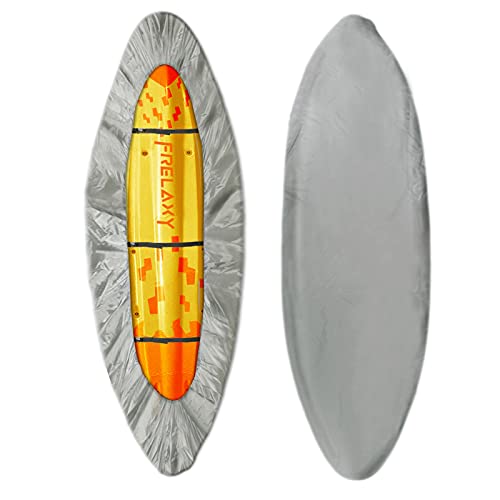
Size charts on listings ain’t always right. A sit-on-top kayak with a big seat or gear wells needs extra space. Fishing kayaks, especially those wide 36” ones like the Hobie Pro Angler, won’t fit into generic ones. You’ll need a custom-fit or flexible elastic hem at least. Some even got adjustable straps or buckles – them actually helps with windproofing.
Never use a too-big cover thinking it’s safer. Flaps in the wind, lets water in, rips faster.
Color Matters. For Real.
Dark colors absorb more UV. That’s not always good. If you store your yak outdoors in full sun, get a silver or light gray kayak cover. Reflects more heat. In Florida or Arizona, folks seen 20° F difference between silver and black ones. That’s real data from a 2023 kayak gear test by OutdoorBench.
But if you’re storing it inside or in shade, dark might be better ‘cause it hides dirt and scuffs.
Vents or Nah?
Good breathable kayak covers come with vents. No vent = more condensation. And mold. You don’t want to unzip your kayak after a month and smell like a wet dog towel. So yeah, ventilation ain’t just a “nice-to-have”.
Some of them has mesh patches, others got built-in air vents. If you live somewhere humid – think Louisiana or the Carolinas – don’t skip this part.
Strap System or Elastic Only?
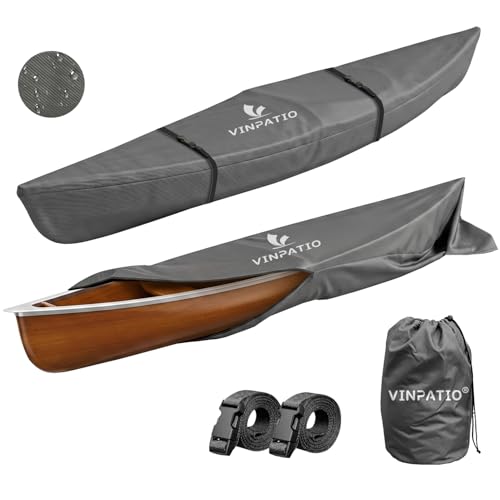
Elastic hem alone is fine if it’s stored still. But if there’s wind, forget it. You’ll need tie-down straps, ideally cross-body or full-length ones. A lot of kayak storage cover options cut corners here.
A customer in Colorado posted a pic – his kayak flew 50 feet during a storm ’cause the cover had no buckles. Don’t be that guy.
Zipper vs Drawstring vs Snap
Zippers make removin’ easier. But cheap ones rust fast unless it’s marine-grade zippers. Drawstrings, on the other hand, wear out fast if the material’s soft. Snap closures last longest but harder to find.
Most deluxe kayak covers combine two – like zipper plus drawstring. Just avoid plastic teeth zippers if you got saltwater exposure.
Seasonal vs All-Year
If you only need to store the kayak off-season, you might save money with a seasonal kayak cover. It’ll last one year, maybe two. But for all-year protection, get a heavy-duty cover rated for at least -20°F to 120°F temperature range.
You’ll find some good 4-season kayak covers out there. Just be sure they ain’t just labeled “all-weather” with zero specs. That term don’t mean squat unless there’s actual info.
Indoor vs Outdoor Storage Type
Some folks hang their kayaks. Some leave it on sawhorses or racks. Your cover gotta match that. If you’re storing it upside down, then vent placement and access holes don’t matter much. But upright? You need drain hole access, or mildew will build up inside.
There’s even inflatable kayak covers now, designed to keep shape. Not cheap, but good for soft hulls.
Weight & Portability
If you’re camping, RVing, or traveling with the kayak, lighter is better. You’ll want a packable kayak cover, under 3 lbs. But make sure it ain’t so light it rips when it hits the roof rack straps.
Travel kayak covers often come with stuff sacks – handy if you’re tight on space.
Weather-Specific Notes
For places with snow: Get waterproof + snow-shedding design. That means steep angle shape, like a tent, so snow doesn’t pile up.
Rainy areas: Look for heat-sealed seams and full waterproof lining.
Hot dry places: UV-resistance + reflective layer are a must.
What About Inflatable Kayaks?
Those got different needs. Material’s softer – PVC kayak hulls don’t handle heat same way hard shell ones do. You’ll want padded inside covers or lined ones. Avoid abrasive seams inside the cover, it can scratch or dent the air chamber.
Final Thoughts That Actually Help
Don’t trust cover ads alone. Go read customer reviews – especially 3-star ones. They’ll tell you if it tears fast, fades, or doesn’t fit right.
Also – get a cover with a warranty, even if it costs more. Some companies offer 1-year or even 3-year guarantees.
At the end, it’s not about getting “the best”. It’s about picking the right kayak cover for your use. A fishing kayak stored on a rack in Arizona needs a different thing than an inflatable one tucked under a tarp in Maine.
And no, one-size-fits-all ain’t real. Most times, it’s one-size-fits-somewhat-ok-if-you’re-lucky.




 Best 5 Waterproof Phone Cases for Kayaking
 Best 5 Kayak Anchor and Push Poles
 Best 6 Kayak Paddles Under $200