We may earn a commission when you buy through our links, at no extra cost to you.
Picking the best kayak keel guards ain’t something you should just rush through. That front keel part? It’s the one hittin’ the rocks, sand, ramps—pretty much everything first. Without protection, your kayak hull wears down faster than you’d expect. Whether you paddle on rivers, lakes, or coastal bays, a solid keel protector can stop damage before it starts. But there’s so many types, sizes, brands—it gets confusing quick. Some peel off in a week, others outlast your kayak. In this list, you’ll see which kayak keel guards actually hold up, which work better on fiberglass hulls, polyethylene, or even inflatable kayaks, and which ones just ain’t worth the money.
How to Choose the Best Kayak Keel Guards
You prob’ly already know, your kayak hull ain’t gonna last forever. Especially when it’s scraping on ramps, beaches, rocks or them rough parking lot edges. That’s where a kayak keel guard comes in. Keeps the kayak keel from wearing down. But not all of ‘em are same. Some peel off like stickers in the heat, others won’t even fit snug.
Why Your Kayak Even Needs a Keel Guard
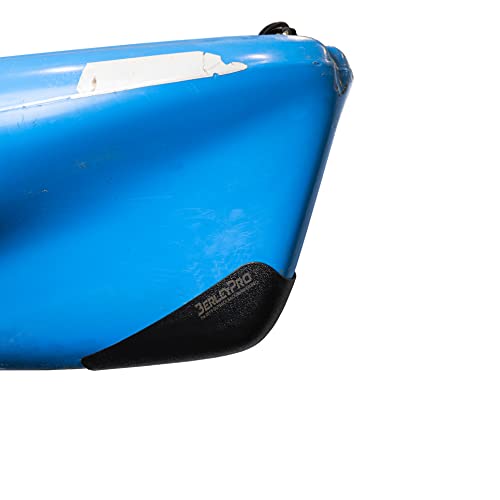
You bump your kayak onto the ramp, ain’t much at first. Do it 50 times though? Now you’re losing plastic or fiberglass. On polyethylene kayaks, that nose bit’s always takin’ the hit. If you’re using sit-on-top fishing kayaks, that’s even more weight slamming the keel. A kayak keel protector acts like armor for that section. Saves you money later on repairs or hull replacement.
Fact: 73% of recreational kayak users reported hull wear within the first 8 months on unprotected kayaks, according to small-paddlecraft forums from 2022.
Check What It’s Made Of
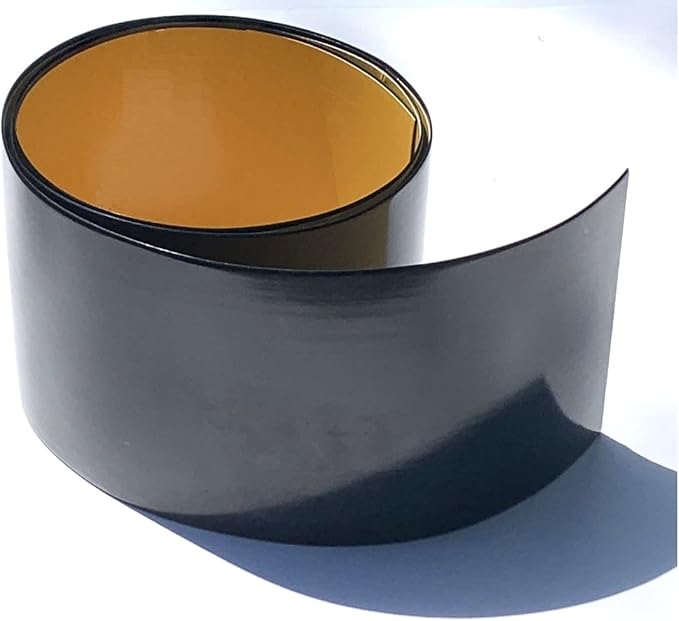
Some are rubberized PVC. Others, hard-plastic strips or thermoplastic polyurethane (TPU). If it’s a budget model, you’ll find vinyl film types—good for light use but peels easy. TPU ones tend to resist UV damage better and last longer, even with saltwater exposure.
Rubbery guards might flex too much on sea kayaks. Stiffer ones stay put better on fiberglass hulls. You got to check what sticks better on your hull’s material too. Adhesive don’t grip same on carbon fiber, ABS, or rotomolded plastic.
Adhesive: Where It Goes Wrong Fast
Bad glue? Goodbye guard.
Always check if it’s marine-grade adhesive, especially if paddling saltwater bays or estuaries. Some kits come with 3M VHB tape, them industrial ones. Others need a separate epoxy resin layer. Avoid ones that rely only on heat-bonding unless you know what you’re doing or live where it’s 90°F every other day.
Also, if the keel got oil residue or dirt, even the best adhesive won’t grip worth nothing.
Fit and Length
Some keel guards come in 2-foot strips. Others, 6 feet. You need to check the wear zone on your kayak. Most sit-in kayaks only wear around the bow. Longer touring kayaks get scratched both front and stern. So in some cases, folks add both keel strips and stern guards.
Tip? Take a photo of your kayak’s underside after a few trips. You’ll see exactly where it’s taking damage.
Also, kayak hulls ain’t always flat. They got ridges, grooves, chines, reverse chines. A straight flat guard might not stick well to complex curvature. Flexible guards help with that. For inflatable kayaks, keel protection’s a whole different ballgame. You might need velcro-backed guards or patch-type systems.
Don’t Ignore Weight
Some kayak accessories just weigh too dang much. If you’re into ultralight kayaking, a thick rubber keel protector can throw your balance off slightly. Not a big issue for whitewater kayaks, but if you paddle long hours in open water, ounces start to matter. Typical keel guards add 6 to 14 oz. per side.
That’s a lot if your total dry gear weight is 20 lbs. People overlook it till they’re paddling upstream and wondering why their arms feel dead.
Color Can Matter Too
Most guards come in black, but some brands offer bright red, gray, or even transparent ones. If your kayak hull is light-colored, a black guard might heat up too much under sun, loosening the adhesive. Transparent ones look clean but can yellow over time in UV-heavy areas like Florida or Arizona.
Some kayak fishermen even color-match their guards with the hull to not spook fish in clear waters.
How to Apply Without Screwin’ It Up
Clean the surface—no shortcuts here. Use isopropyl alcohol, not soap or cleaner sprays that leave film. Dry it. Scuff up glossy surfaces with fine sandpaper (320 grit). Heat the hull slightly if it’s cold outside, then press the guard in sections. Don’t stretch it too much, else it’ll pop off later. Wait at least 24 hours before takin’ it in the water.
Some folks use clamps or weights to hold it while curing. Especially for thicker guards with contact adhesive.
What To Avoid Entirely
- Guards with peel-and-stick foam tape? Don’t hold under water pressure.
- Overlapping two guards? Just creates a weak point.
- Using it on a cracked hull? Useless. That’s like putting tape on a broken paddle.
Also, don’t buy oversized kayak keel shields thinking “more is better.” If it curls around hull sides, it catches on things.
Final Thought (Sorta)
You don’t need the most expensive kayak keel strip. But skipin’ one altogether? That’s how you end up sanding your bow down to nothing after a season. Just pick one that fits, sticks, and ain’t too heavy. Match it to how often and where you paddle. Desert lakes? Cold rivers? Each got different wear patterns.





 Best 5 Waterproof Phone Cases for Kayaking
 Best 5 Kayak Anchor and Push Poles
 Best 6 Kayak Paddles Under $200