We may earn a commission when you buy through our links, at no extra cost to you.
How to Choose the Best Suction Boat Roller Kayak Load Assist
So, you got a heavy kayak. Probably wide too. Loading it on your SUV or van ain’t a joke, right? That’s where a suction boat roller comes in. It usually mounts using vacuum suction cups to your back window or roof and helps you slide your kayak up without scratching your ride.
Ain’t much tech inside, but the way it’s built makes or breaks your experience. Some of ’em got UV-resistant rubber rollers, others cheap plastic that wear out quick in sun. Folks don’t always check that, then later regret big time. You gotta also check the roller track length—short ones make the kayak slide off crooked sometimes.
It’s also about the glass. Some car windows ain’t flat, and not all suction kayak roller systems stick well to curves. That’s when it starts popping off mid-use. You’d better double check your car’s rear surface before ordering.
Suction Power & Stability Matter Big
If the suction don’t grip tight, it’s useless. You need strong vacuum mounts, not them cheap twisty ones. Look for models with dual suction cups, rated above 150 lbs hold—kayaks can weigh 80-100 lbs easy when wet.
Folks say things like “held fine during test,” but didn’t load a full-size tandem fishing kayak with gear. You gotta simulate real weight. Also, test it on glass when it’s dirty. You’d be surprised how fast grip fails if there’s pollen or a lil’ film of dust.
Wind too can mess with it. If you live in a gusty area, you better get one with anti-slip foam pads at the base of the rollers. Not just for grip but also protects your car from minor dents when the kayak bounces.
Materials – Cheap Plastic vs Real Durability
Don’t just judge by pics. Lotta models look similar, but one’s made with marine-grade stainless steel, and the other’s got aluminum tubing with weak welds. The plastic used for the roller itself—polypropylene cracks faster than urethane rollers when exposed to sunlight day after day.
Cheaper suction kayak rollers also skip rust-resistant parts. Even if it don’t touch water directly, road spray’s enough to corrode the hardware. If you live near the ocean, even more reason to avoid non-stainless builds.
When users say “works great for now,” that usually means first few months. If you loading your ocean kayak or sea touring kayak every weekend, go high end.
Fitment with Your Vehicle
Not all kayak load assist rollers work well on all vehicles. Tall vans, sloped glass angles, even the shape of the rear spoiler—these can stop it from sitting flush. Best check your back window height and width before ordering.
Some models come with adjustable angles, but those add more parts, which means more that can fail. If your car got a hatchback with no frame, the roller might need a roof edge mount instead of glass mount. You gotta measure. Don’t eyeball it.
Roof height’s another thing. If your ride’s above 6.5 feet, you probably need a telescoping extension pole included, or you’ll be standing on tiptoes with a 60-pound kayak slipping on you.
Storage and Portability
You ain’t gonna leave it stuck on the car forever, are ya? Good ones fold down or come with a storage bag. But cheap ones? They’ll be clunky, no carry case, hard to fit in your trunk. If you go paddling solo, you want less setup time.
Weight matters too. Some of the more durable models weigh 10–12 lbs, and might be a pain to lug from your garage to your car. Lightweight ones are nice, but only if they don’t compromise stability or strength.
Also, the locking mechanism—some rollers rotate or collapse during transit if they ain’t locked properly. You’ll be annoyed if it rattles every bump. Choose ones with a click-lock design or screw-secured pivots.
Brand Reputation & Real User Reviews
Stick with companies that specialize in paddlesports accessories. Some random off-brand suction rollers got fake reviews everywhere. Look for brands that also sell kayak roof racks, load assist bars, or paddleboard roof systems. They usually build to match their own gear.
Real reviews will mention if the suction gave out mid-lift, or if the roller wore out after 6 uses. Those are gold. Filter reviews by 3-star and below to see the dirty truth. Don’t just read the good ones.
Also check forums—kayak anglers, touring paddlers, and sea kayaking groups often post real-world testing, especially for heavier boats and different weather.
Price vs Long-Term Value
You could spend $30 and replace it every season. Or drop $100+ and not worry for years. That’s up to you. If you got a pricey fishing kayak or even a basic sit-on-top kayak, better not risk it to save 40 bucks.
Good rollers last long if stored right. Keep ’em outta sunlight when not using. Clean the suction cups, don’t toss it in sandy beach water. That’s how they last 5+ years with no issue.
At the end of the day, the best suction boat roller kayak assist is the one that fits your car, holds your kayak’s weight, and doesn’t fall apart after 6 uses. Check materials. Test fit. And go with something that actual paddlers recommend.



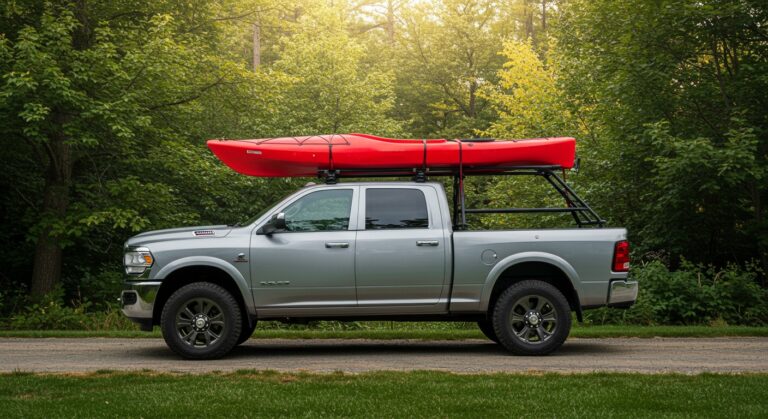 Best Kayak Racks for RAM 2500
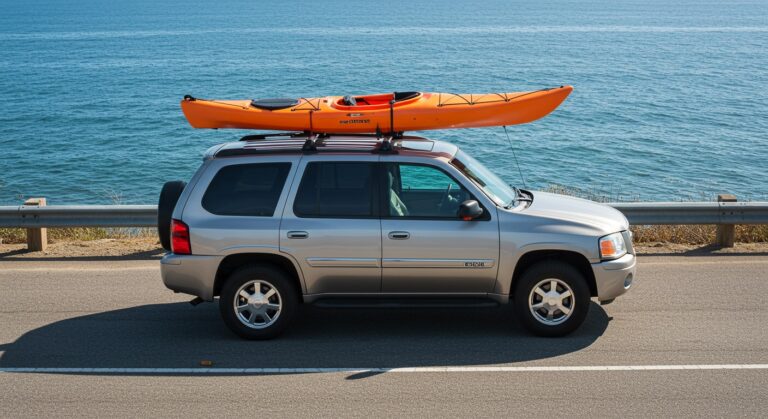 Best Kayak Racks for GMC Envoy