We may earn a commission when you buy through our links, at no extra cost to you.
Size and Fit Ain’t Just Numbers
A paddle bag too big makes your paddle swim around inside, knocking like loose bones. Too tight and you fight with zippers that snag teeth, cursing every time you pack up. The right fit feels like when shoes slip on without laces, snug but not choking. People ignore dimensions, then complain later, but the inches matter.
Think about paddle style too. Two-piece, four-piece, adjustable shafts. A bag built for four-piece packs might rattle with a two-piece unless it has divider sleeves. Some brands slip in padding at odd spots, so check if your paddle sits centered or awkward. Measure twice, buy once. Don’t trust the vague “fits most paddles” line, it’s like clothing tags that say “one size fits all” when clearly it doesn’t.
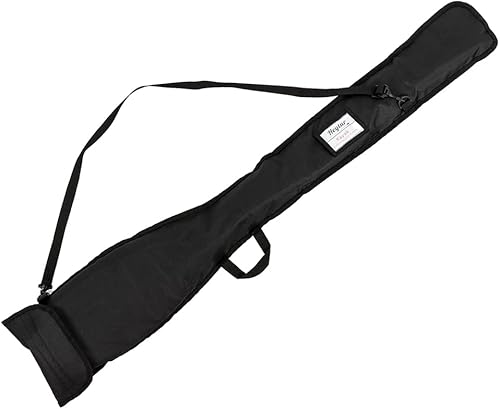
And straps. A bag without adjustable straps is like pants without belt loops. You’ll regret it on long carries. If it digs into your shoulder after 10 steps, you won’t care how waterproof it is. Comfort creeps up as the silent deal breaker, and fit extends to your body just as much as to the paddle.
Material Speaks Louder Than Logos
Cheap nylon looks okay on day one, but leave it in the sun and the fibers start turning flaky, chalking on your hands. Stronger canvas types hold their dignity longer, but they weigh like carrying an extra paddle. Trade-offs everywhere. You want balance between toughness and drag-your-feet weight.
Waterproof coatings sound nice, though sometimes they peel like old paint. What you should really check is the stitching. If the seams gape under slight pull, water will snake right through no matter how fancy the outer fabric. Double stitching with reinforced corners, that’s where your eyes should linger. Bags live or die at weak points.
And don’t ignore zippers. A premium paddle bag with a junk zipper is like a castle with a broken gate. Saltwater corrodes teeth, sand jams sliders. Look for chunky, oversized pulls that don’t break when your hands are wet and cold. Materials are more than just fabric, they’re every little piece working or failing.
Storage and Extra Pockets
Some paddle bags are bare bones. Just one long cavity where paddle goes in, nothing else. Works fine if you’re minimalist, but if you’re the type who forgets leash cords or ferrule grease, pockets save your sanity. Having one small compartment for keys or gloves means less scrambling at launch.
But pockets add bulk. A sleek, streamlined bag with no extras feels easier when strapping to the roof rack or tossing into a closet corner. Too many zippers and pouches, suddenly it looks like luggage you’re dragging through an airport. Ask yourself if you actually use the space or just like the idea of it.
Mesh sections for drying can be genius or gimmick. If you often toss wet paddles right in, mesh vents prevent stink that clings worse than mildew in shoes. But they also weaken durability, so expect trade-offs again. No bag gets it all right, you choose your poison.
Portability and Comfort
A paddle bag that makes carrying harder defeats its only purpose. Long treks from parking lot to shoreline expose every design flaw. If straps cut, if balance tips awkwardly, you’ll feel it in your shoulder before the water even touches your kayak.
Backpack-style straps are rare but gold if you find them. Spreads the load, keeps hands free for cooler, drybag, or coffee cup you refuse to abandon. Sling straps are standard but only work well if padding’s thick enough and adjustable to your height. Taller paddlers often get straps too short, making bag ride like a purse.
And handles matter too. A short, rubberized handle seems trivial, but when tossing bag into car or hanging it on garage hooks, you appreciate those tiny details. Comfort isn’t just about carrying distance, it’s about how you interact with the bag from driveway to dock.
Price vs Reality
You’ll see paddle bags priced like luxury handbags and others like throwaway grocery totes. Truth is somewhere in between. Paying more often buys thicker padding, better zippers, maybe waterproofing that actually lasts more than a summer. But not always. Sometimes you’re just buying a brand name stitched bold.
Ask how often you paddle. If it’s every other weekend, maybe splurge a little. If it’s two trips a year, even a mid-tier bag will probably outlive your interest. Think about resale too. A paddle with a bag stays nicer longer, which means better price if you ever flip it on classifieds. That hidden value offsets cost.
But don’t cheap out too far either. A flimsy bag can actually cause damage by rubbing or letting grit grind into the blade. Saving twenty bucks then paying two hundred for a new paddle isn’t math you want. Best choice often sits mid-price, but lean toward durability.
Final Odd Bits People Forget
Color sounds like fashion, but it’s not. Dark bags heat up in sun, cooking carbon shafts inside. Lighter shades reflect heat, keeping things a bit safer on long summer days. Small thing, big difference over years.
Drain holes too. You don’t think of them until your bag fills with lake water after a wet toss into the truck bed. Suddenly that small hole at the bottom is genius. Without it, you’re lugging a water balloon.
And smell. Some bags come with plasticky stink that clings to your gear. If you store in garage or apartment, that smell spreads. Look for reviews mentioning odor. Might sound trivial, but it can drive you nuts. Details like these separate the “good enough” from the “glad I bought it.”




 Best Kayak Racks for RAM 2500