We may earn a commission when you buy through our links, at no extra cost to you.
Paddling is an excellent form of exercise. It helps you stay fit and at the same time, it relaxes your body and mind to a great extent. But if you keep paddling for hours, calluses can develop on your hands. The constant rubbing may lead to the formation of a blister on your hands. This is the reason why seasoned kayakers love to get their hands on kayak paddle grips before going out on a long kayaking trip. Paddle grips will keep your hands protected from blister and as the name suggests, paddle grips will ensure that you have a good grip on the paddle.
You might be wondering why you need to invest further in a kayak paddle grip when you already have kayak gloves. Well, the truth lies in the pudding. There is no way you can continue paddling in the summer with your gloves on without sweating profusely. This is the reason why kayak paddle grips are considered to be one of the best alternatives of gloves as they don’t get heated up during the summer.
Kayak paddle
grips make it possible for the kayakers to paddle with bare hands without
inadvertently hardening part of the skin. Kayak paddle grips are usually
lightweight and easy to install and uninstall and which is why they have gained
so much popularity in the past few years.
Paddle Grip Buying Guide
It is
overwhelmingly difficult to find the right paddle grip that can match all your
requirements. Personal preferences play a major role in making the final decision.
It boils down to personal choices and preferences when it comes to selecting a kayak paddle grip. Some people
focus too much on the coverage area whereas some other people try to
concentrate more on the softness and comfort level. However, there are other
factors that you need to take into consideration while selecting the perfect
paddle grip –
1. Weight
Heavy paddle grip
might make you feel good but it can slow you down when you are planning to
kayak for long hours. This is the reason why you need to purchase a lightweight kayak paddle grip that offers
excellent maneuverability and at the same time protect your hand from blisters.
2. Color
You might treat
color as something inconsequential but the thing is color does play a bigger
role in the whole kayaking thing. Try to
choose a bright color kayak paddle grip that can be seen from far.
3. Price
Price is
definitely a decisive factor that you must not ignore. There is no point in wasting
money on pointless expensive gadgets when there are inexpensive alternate
versions available. Try to find the One that offers value for your money.
Conclusion
So, here are the
top 7 kayak paddle grips that are immensely popular in the market and all of
them have got positive reviews from their buyers.
Frequently asked questions
Do paddle grips really help with blisters?
They can. Blisters usually come from a bare shaft rubbing the same spots stroke after stroke, especially when hands are wet. A cushioned grip spreads that pressure and adds texture, so you can hold the paddle more loosely. A relaxed grip, rather than a tight squeeze, also does a lot to prevent hot spots on long trips.
Are silicone or neoprene paddle grips better?
Silicone grips are tacky, rinse clean easily, and slide onto take-apart shafts. Neoprene grips feel softer and more cushioned, and some wrap on with hook and loop so they fit one-piece paddles. Both work well; the choice often comes down to your paddle type and which texture feels better in your hands.
Where should paddle grips sit on the shaft?
Hold the paddle over your head with your elbows bent at roughly right angles; that is where your hands naturally belong. Place the grips there, centered on each hand. Getting the spacing right encourages good form, keeps your hands from creeping along the shaft, and makes it easier to keep a light grip all day.



 Best Kayak Racks for RAM 2500
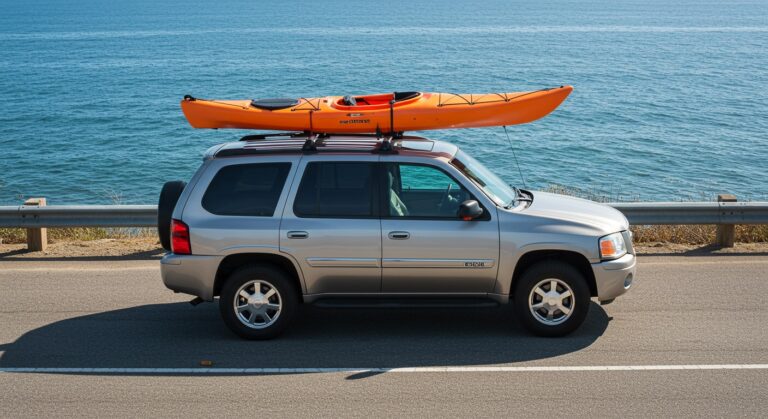 Best Kayak Racks for GMC Envoy