We may earn a commission when you buy through our links, at no extra cost to you.
How to Choose the Best Ram 1500 for Your Needs
Buying a Ram 1500 ain’t just grabbing keys and goin’. You gotta know what you’re doing else you’ll probably end up regrettin’ it every single time you start that engine. This truck ain’t cheap either—prices start around $40,000, and it can go north of $75,000 if you go wild with options. So better get stuff right the first time.
Engine Options & Real-World Performance
You got four motor choices on the Ram 1500 lineup. Base one’s the 3.6L Pentastar V6 with eTorque (mild hybrid tech, saves some gas), makes 305 horsepower. Decent for city use or light hauling, but towing heavy? Meh. Not for that.
Next up, that sweet 5.7L HEMI V8—either with or without eTorque. This one’s pulling 395 hp, and can tow nearly 12,750 lbs if spec’d right. There’s also a 3.0L EcoDiesel if you’re into MPG and torque—260 hp but 480 lb-ft torque, great for long hauls. And lastly, that crazy 6.2L Supercharged HEMI V8 in the TRX trim? Makes 702 hp, more of a toy than a work truck really. Fun, but burns fuel like there’s a hole in the tank.
Cab Style & Bed Length
You might think all Ram trucks are same-same, but the crew cab, quad cab, and regular cab are miles apart. You want family space or carryin’ workers? Get the crew cab. But if your driveway’s small or you park in tight spaces, crew cab with a 6’4” bed will test your turning skills.
The quad cab gives smaller rear seats, and the regular cab’s for guys who just need a truck and no frills. Bed size matters too—5’7”, 6’4”, and 8’ beds are out there, but not all cab types let you choose all beds. Mess up here and you’ll be stuck with not-enough space or a boat to park.
Towing Capacity & Payload
People brag about “my truck tows 13k” and all, but it ain’t that simple. Most Ram 1500 trims will tow between 7,500–11,500 lbs depending on gears, engine, and suspension. Payload capacity maxes out around 2,300 lbs, but again, that drops hard when you choose bigger wheels or leather interiors (seriously).
The trick is to check the GVWR, GCWR, and axle ratio on the door sticker—not just what the website says. 3.92 axle tows better than 3.21, but eats more gas. If you’re towing a trailer full of ATVs, snowmobiles or construction gear, go high on those specs. Else, save money and get something milder.
Trim Levels
There’s like 7+ trims on this truck: Tradesman, Big Horn, Laramie, Rebel, Limited, Longhorn, TRX, and a bunch of special editions. You go with Tradesman, you get basic everything, roll-up windows on some. But it’s durable. Good for site work.
Big Horn brings chrome and touchscreen. Laramie adds leather, better audio, heated stuff. Rebel gives off-road features like skid plates, locking rear diff, 33-inch tires. TRX, like said before, is a desert runner. Overkill unless you’re seriously into that scene. Limited and Longhorn—fancy interiors, but don’t expect much more performance. Just comfort and luxury price tag.
Gas Mileage
Sticker says 20 MPG combined on the V6, but most folks report 16–18 MPG. The V8 HEMI drops to 13–16 MPG, especially if you tow or do stop-go traffic. The EcoDiesel is best for highway—gets around 26 MPG, and does 600+ miles on a full tank if you behave.
That TRX? Forget it. You’re getting 9–12 MPG, and premium gas only. Better own a gas station.
Suspension & Ride Comfort
Unlike most rivals, Ram 1500 has rear coil springs standard, or optional air suspension. That makes it smoother, especially if you carry no load. If comfort’s a deal-breaker for you, Ram’s setup is best among full-size pickups. Add air ride and you can lower it to get in easier or raise for rough terrain. Big plus if you got older passengers or heavy loading needs.
Interior Tech & Features
The Uconnect system on Ram is solid. Comes in 8.4-inch or that massive 12-inch touchscreen, depending on trim. There’s Apple CarPlay, Android Auto, wireless charging, and even a heads-up display on some versions.
But don’t just go for fancy screens. Look for adaptive cruise control, 360-degree cameras, trailer reverse guidance, and brake assist—all that matters more in long-term driving than shiny buttons.
4×4 vs 4×2
If you’re in Phoenix, Las Vegas, or anywhere that rains once a month—maybe skip 4WD. But up in Minnesota, Colorado, Vermont, that’s essential. 4WD adds weight, eats fuel, and hikes price, but gives grip on snow, mud, sand. Choose by geography, not ego.
Also check if it’s part-time or full-time 4WD. Most folks don’t need full-time—unless you live on dirt roads or own a ranch.
Final Advice
Truth is, most people over-buy trucks. They want what looks tough or sounds loud, but then drive it to Costco and school drop-off. Don’t pay for off-road shocks if you ain’t gonna hit trails. And don’t ignore towing packages if you plan to haul.
Best combo for most users? Big Horn or Laramie, 5.7L HEMI with eTorque, crew cab, 6’4” bed, 3.92 axle, and air suspension. Balances price, ride, and muscle.
But hey—your truck, your rules. Just don’t say no one warned you when the gas bills hit or the rear seats don’t fit your kid’s booster.


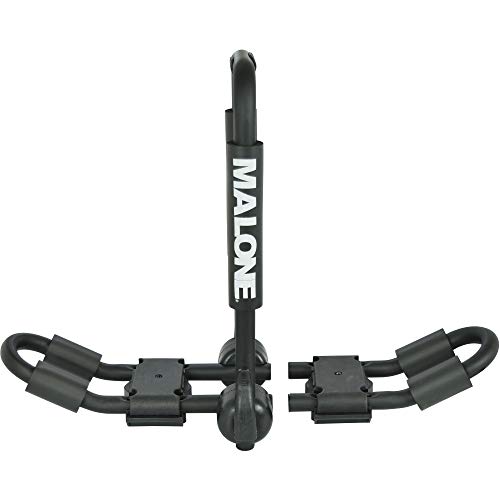


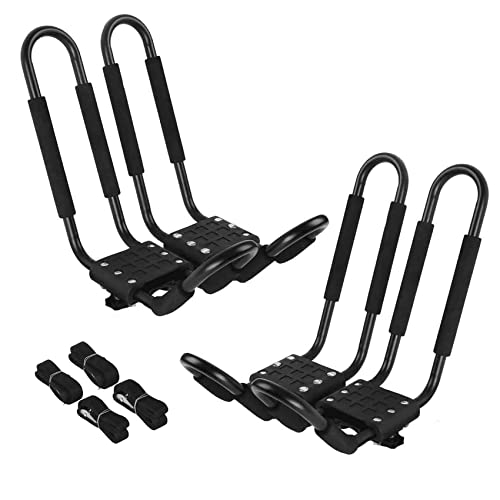

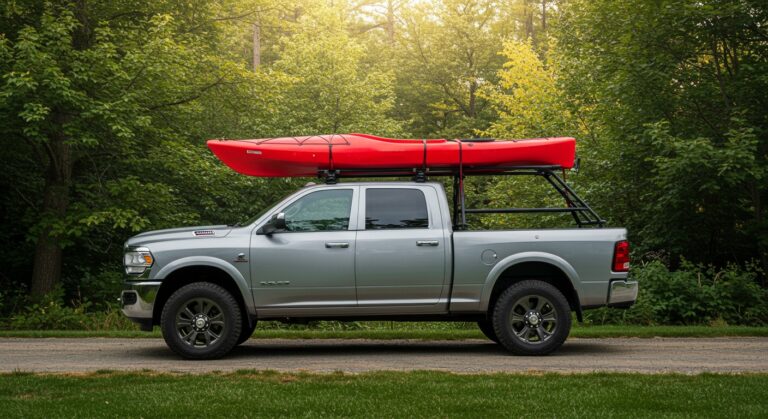 Best Kayak Racks for RAM 2500