We may earn a commission when you buy through our links, at no extra cost to you.
How to Choose the Best Kayak Racks for Toyota Highlander
Getting the right kayak rack for Toyota Highlander ain’t just about slapping something on the roof and hitting the highway. You gotta think smart, or you might end up losing your kayak halfway to the lake. There’s loads of kayak carriers out there, but only a few that’ll really work perfect for your Highlander SUV.
Know Your Toyota Highlander Roof First
You should, before anything else, check if your Highlander got factory-installed roof rails or crossbars. Some Highlanders come with em standard, but some don’t. Without crossbars, a lotta racks ain’t even gonna fit properly, and you’ll end up needing to buy an extra set. Most folks don’t realize: crossbar spread (distance between em) makes a big difference on what type of kayak roof rack fits safe.
Types of Kayak Racks That Actually Fit Highlanders
Different racks work for different folks. Here’s some that matches good with Toyota Highlanders:
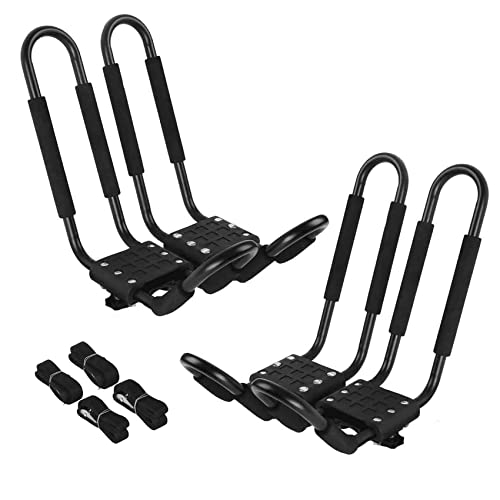
- J-cradles: These tilt to the side so you can load kayaks easier. Most Highlander drivers like em cause the SUV’s a bit tall.
- Saddle racks: They cradle the kayak bottom and spread the weight better, but they usually need two people to load up.
- Stackers: Good if you got more than one kayak, cause you can stand em up side by side.
Lots of people just buy cheap kayak holders, and later realize it don’t fit a full-size Highlander roof. Then it’s too late.
What Weight Can Your Highlander Roof Take?
Funny thing is, most Highlander owners never bother checkin the roof load capacity. Toyota says, for a lotta models, you got around 150 pounds max on top. That’s including the rack itself, too. So if you buy a heavy steel roof rack, you ain’t got much left for your kayaks. Aluminum racks be lighter but cost a bit more usually.
A standard touring kayak can weigh between 35 to 70 lbs. Throw two on a heavy rack? You’re pushing it real close to max weight. Not good for your car or your insurance either.
How Often You Hauling That Kayak?
Think about it—are you paddlin every weekend, or just one time every summer? If you’re regular, invest in a tough permanent mount rack. If it’s just a once-in-a-blue-moon kinda thing, go with temporary kayak racks that strap right to the roof. They’re lighter and cheaper but less secure when highway driving.
Also, if you always going solo, racks with load-assist systems help a lot. Trust me, trying to lift a heavy kayak alone onto a tall Highlander roof without it is like wrestling a greased hog.
Weather Resistance is a Big Deal Too
Cheap racks rust faster than you think. If you’re parking your Highlander outside most days, pick racks with stainless steel hardware or powder-coated frames. Corrosion messes up not just the rack but your car paint too, and then you gotta pay for touch-ups.
Also, UV rays crack rubber pads on the cheapies in less than a year sometimes. Better quality racks use UV-resistant materials. You pay a bit more up front, but it pays off real fast.
Watch Out for Wind Noise and Gas Mileage
One thing folks don’t think bout: Some kayak carriers whistle loud once you’re on the highway. And the extra drag can kill your Toyota Highlander’s gas mileage by about 5 to 10% depending on the rack size and shape. Look for aerodynamic racks if you gonna leave it up there year-round.
Popular Brands That Fit Highlanders Real Good
Without getting into top 10 lists or nothin, some brands just work better with Toyota Highlanders. Thule, Yakima, and Malone make racks specifically made for midsize SUVs. They offer models that fit the factory rails perfect without weird modifications.
If your Highlander’s an older one—say a 2014 Toyota Highlander or 2018 Highlander—make double sure you check compatibility, cause dimensions and roof designs changed over the years.
Final Thoughts
Buying a kayak rack for your Toyota Highlander ain’t somethin to rush. Think about your roof setup, how much weight you need to carry, how often you paddling, and how much you wanna spend fixing rust or gas bills later. If you get all that right, you’ll be hauling your kayaks easy and safe for years.




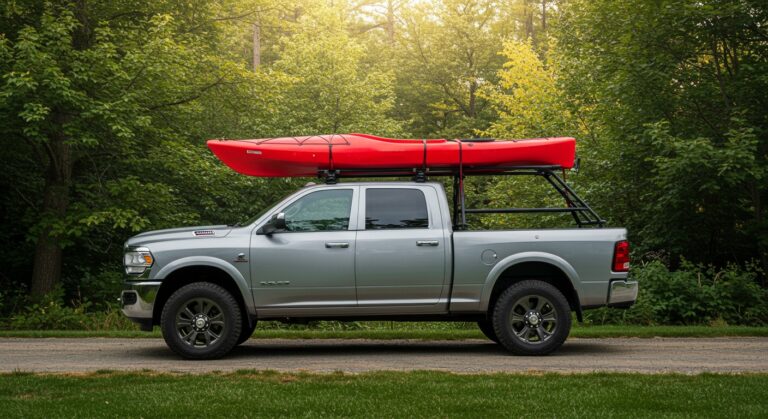 Best Kayak Racks for RAM 2500