We may earn a commission when you buy through our links, at no extra cost to you.
How to Choose the Best Kayak Racks for Jeep Gladiator
You got a Jeep Gladiator, and now you’re thinkin about how to carry a kayak without strappin it through your back window. Good idea. But there’s a few things to watch, or you’ll end up buying the wrong kayak rack system that doesn’t fit, wobbles, or messes up your ride.
Understand Jeep Gladiator Rack Compatibility
A lotta folks make the mistake of buying a rack based only on kayak size. But the Gladiator’s truck bed needs racks that fit its bed rails and roof clearance both. Some racks just ain’t made for mid-size pickup trucks like yours. Don’t trust “universal” tags unless you’ve seen others using it with the Gladiator. Best to check crossbar width, height clearance, and if it supports both roof-mounted and bed-mounted configurations.
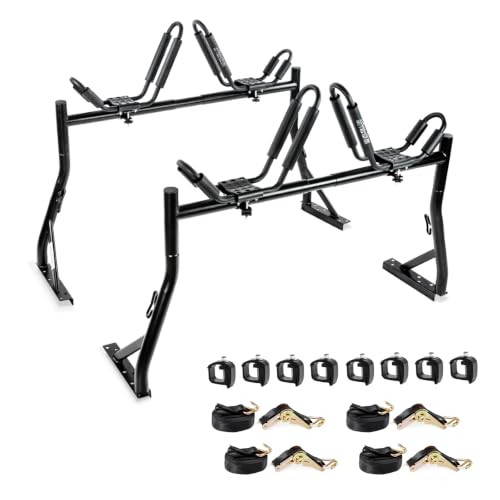
Most factory rails won’t support long kayak carriers unless you add a roof crossbar kit or an over-cab rack. A bed rack that sits above the cab is better if you’re planning longer trips or got 12ft+ kayaks. Not cheap, but worth it when your gear safe and your cab ain’t scratched to hell.
Types of Kayak Racks That Fit Better
Not all Jeep kayak racks are built same. Some good with J-style racks, others better off with saddle mounts or roller-style systems. If you short or hate lifting weight over your head, load-assist kayak racks might be something to consider. A hydraulic-assist system drops the effort like 50–60% depending the model.
Then there’s hitch-mounted racks for folks that tow trailers or wanna avoid roof setups altogether. These go on your 2-inch receiver hitch, and some even fold down when not used. But if your tailgate already in use or you camp with a bed tent, they’re probably not ideal.
Weight Ratings Matter More Than You Think
Some racks max out at 75–100 lbs. And don’t forget, your kayak + rack system + mounting brackets together adds up. Some fishing kayaks weigh close to 90 pounds already. And that’s dry. Add paddles, crates, or waterlogged foam, and you’re over.
The Jeep Gladiator roof handles about 150 lbs dynamic load, but it changes depending on how the weight’s distributed. If you’re doing off-road kayaking trips, go for racks with reinforced steel support and multi-point anchoring. Cheap aluminum ones flex when you hit trails hard. That’s where they start creakin’ and bangin’ against your soft top too.
Think About the Wind Drag and MPG Drop
People don’t talk about this, but adding kayak racks—especially wide setups—will mess with your aerodynamics. You lose fuel efficiency. Test data shows that roof racks with loaded kayaks can drop MPG by 8–14% on highways. That’s hundreds over a year if you paddle every week.
Low-profile racks help reduce the wind resistance, and foam-padded cradles can cut down on noise. If you use a soft top Gladiator, go for clamps that work with Mopar rails or aftermarket rail kits, else you might rip your top off if things ain’t anchored right.
Security & Theft-Proofing
You don’t wanna park at a beach and come back to find your kayak gone. Lockable kayak racks with metal cores work best. Don’t rely on rubber tie-downs or Velcro setups. Some racks come with integrated lock cores, and others let you add cable locks. Look for T-slot channels and anti-theft end caps, too.
It’s better to spend extra than to lose a $900 kayak cause someone spotted a weak rack on a $50k truck. Sounds harsh, but it happens. Also, consider ratchet straps rated for watercrafts, not the basic ones from home depot.
Easy Install or Permanent Setup?
Some kayak racks go on in 15 minutes with clamp-on mounts, no drilling needed. Others need torque wrenches, spacers, and maybe a weekend if you’re adding both bed + roof systems. Think about how often you’ll remove it. If you haul kayaks twice a year, go for quick-release mounts. But if it’s a weekly thing or you travel to rivers and lakes often, a permanent bed rack with powder coating is better.
Also, climate matters. If you’re in humid zones or near saltwater, make sure the rack’s coated to avoid corrosion. Stainless steel hardware, UV-resistant rubber padding, and sealed end caps can keep your rig solid for years.



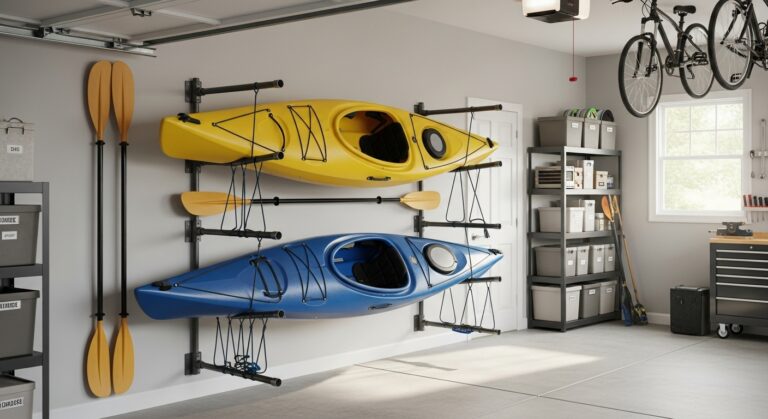 Best 6 Rated Kayak Storage Racks
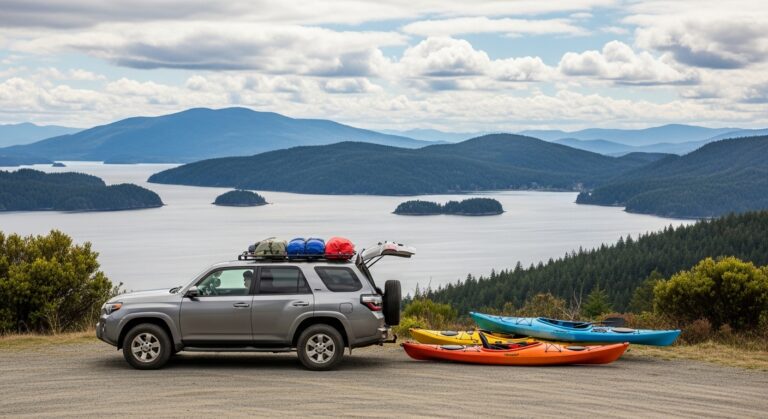 Best 6 Budget Kayak Roof Racks
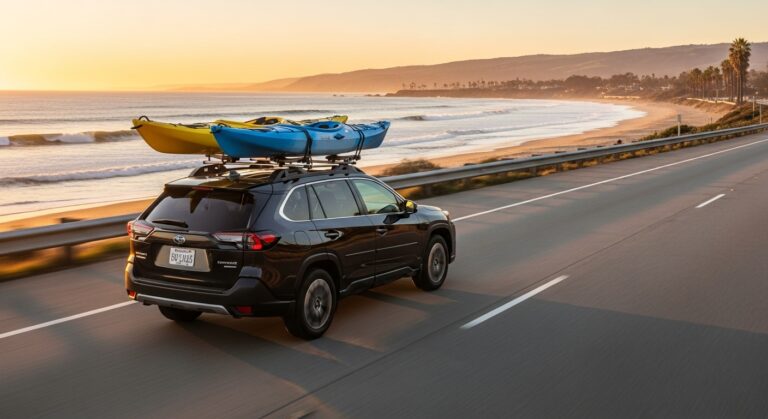 Best 5 Fishing Kayak Roof Racks