We may earn a commission when you buy through our links, at no extra cost to you.
How to Choose the Best Kayak Racks for Kia Sorento
You’ll need to look at the roof first. Does your Kia Sorento come with factory-installed roof rails? Some trims got ‘em, some don’t. That changes what kind of kayak roof rack you can even use. Without side rails, you’ll need a full crossbar system—usually clamp-on style that grabs the door frame. If your Sorento already has flush rails, it’s a bit easier but still gotta match the clamp kit right.
Weight Matters, Don’t Just Eyeball It
Don’t go tossin’ stuff up there like it’s a pickup. The roof weight limit for the Kia Sorento is usually around 165 lbs total, including rack and gear. Say your kayak’s 50 lbs, and the rack adds 25, you’re still good. But with two kayaks, it gets tight. Overloading it? Could warp the roof or strip the mounts, and that’s real money to fix.
Choosing Between J-Style, Saddles, or Stackers
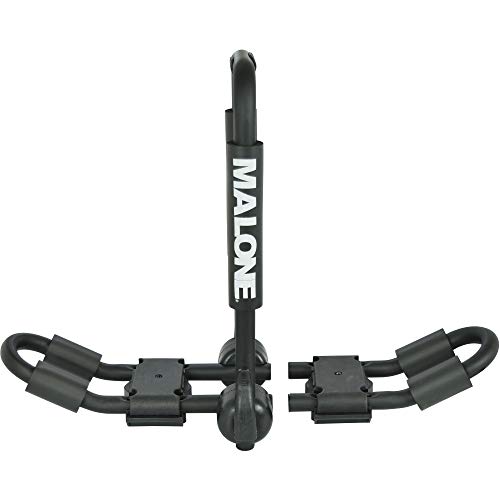
Now here’s where it gets messy. J-style kayak carriers work fine with mid-size SUVs like the Sorento. They angle the kayak so you still got some roof room left. Good if you’re haulin’ two boats. Saddle racks cradle the kayak flat—better support, but eats more space. And stacker racks? They let you stack kayaks on edge, but them are best if you got whitewater kayaks or multiple light boats. Pick what matches your ride and your kayak.
Roof Height vs. Your Arms
That Sorento ain’t low. You gotta lift that thing over 6 feet. You short or got shoulder issues? You’re gonna hate life without a load-assist kayak rack. Something like hydraulic lift-assist arms or roller-assisted carriers can make it bearable. If not, better ask a buddy to help or you might drop the boat clean on the windshield.
Weather + Material = Big Deal
Hot areas like Texas, Nevada, or Arizona, the sun bakes rubber fast. Straps dry rot, and plastic mounts warp. If you’re in rainy places like Washington, rust creeps into cheap metal racks. So for long-term use, go with UV-resistant straps, stainless steel parts, and racks with some kinda weatherproof coating.
Noise, Wind Drag, and MPG Loss
Biggest complaint people got after adding a rack? That whistling noise at 65 mph. That’s from poor aerodynamics and crossbars that ain’t shaped right. Round or square bars tend to hum more. Look for aero-style crossbars if you can swing it. Also—expect to lose 2–4 MPG with a kayak up top. You ain’t beating physics.
Tie Downs Ain’t Optional
It’s not enough to just strap it down sideways. You gotta add bow and stern lines too. One strong gust and it’ll lift off like a kite. Especially if your kayak sticks out over the windshield or back hatch. Some states got laws for this too, like California and New York—fines if you ain’t secured it right.
What Kind of Kayak You Got?
A sit-on-top kayak made from polyethylene can handle rougher racks, less padding needed. Touring kayaks, sea kayaks, or anything fiberglass? Needs soft cradles or thick rubber padding, or you’ll end up with dents or cracks. Fishing kayaks can be wide and heavy, sometimes over 80 lbs—watch out for those.
Can You Still Use the Liftgate?
One thing people forget—some kayak racks block your rear hatch if they’re mounted too far back. Especially on the Kia Sorento, where the hatch goes up high. You’ll need to mount the rack forward a bit, which might mean the kayak overhangs the windshield more. Test before locking things down.
Tools or No Tools?
You wanna be takin’ the rack off often? Go with a tool-free mounting system. Some of the newer quick-release kayak racks can be removed in under 2 minutes. But if you want stronger, longer-lasting mounts, ones with bolts and torque wrenches are safer but slower to remove.




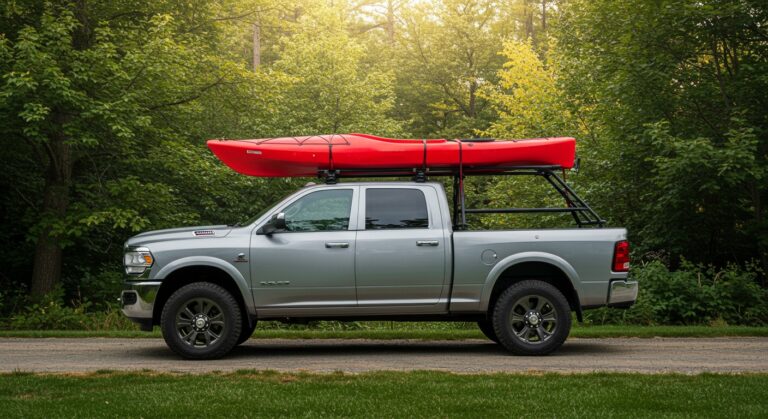 Best Kayak Racks for RAM 2500
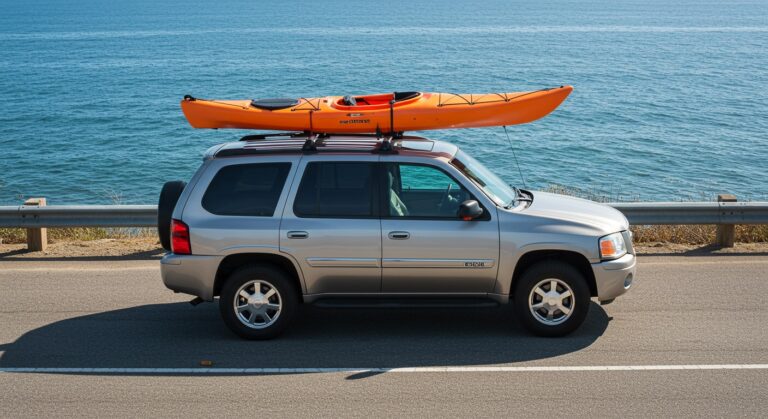 Best Kayak Racks for GMC Envoy