We may earn a commission when you buy through our links, at no extra cost to you.
Roof Rack Basics Before You Even Think Kayak
You can’t mount a kayak rack without base crossbars. Some Dodge Caravan trims have factory rails, some don’t. If you don’t have them, you’re stuck with aftermarket crossbars that clamp inside the door frames. Those clamp-ons can be wobbly if you cheap out, so better brands matter here. Without them, your fancy J-cradle or saddle system is just decorative metal with no home.
Crossbars come in flavors too: square, round, aerodynamic. Square ones are cheaper but loud, round ones slip if not tightened like crazy, and the aero bars… well, they’re pricey but quieter and look less like a science project bolted to your roof. The Caravan’s wide roof makes long bars better, but too long and you’re cracking your head every time you walk past. Tradeoffs everywhere.
One thing many forget: clearance. You park in garages, right? Throw a rack plus kayak up there, suddenly you’re a giraffe in a rabbit hole. Count that extra height before you crunch into a parking structure beam. Nothing humbles you like dragging fiberglass off concrete while strangers stare.
J-Cradles, Saddles, and Other Headaches
Choosing the actual kayak holder is where the arguments start. J-cradles tilt the kayak on its side, saving roof space for maybe another boat or gear box. But lifting a kayak into a J-cradle, especially if you’re short or tired, feels like wrestling a sea monster overhead. People swear by them until their shoulder screams after the third trip.
Saddle-style carriers, on the other hand, hold the kayak flat on its hull. Loading’s easier, but they hog up roof space. You’ll likely fit just one boat unless you go super narrow. Plus, saddles usually need extra straps, and straps mean flapping noises unless you tie them in strange knots like some scout leader. It works, but it’s fussier.
Then there’s the stacker type—vertical, like you’re lining up firewood. Those shine for families with three or four kayaks, but on a Caravan, they look absurdly tall. Also, wind resistance makes your fuel gauge drop faster than usual. Only worth it if you’re hauling a fleet to the river every week.
Price Doesn’t Tell the Whole Story
Some racks cost as much as a secondhand kayak. Thule, Yakima, Rhino-Rack—they know their worth. And yes, they’re stronger, quieter, often safer. But cheaper brands exist on Amazon that do half the job for half the money. If you paddle twice a year, why pay premium? You’ll spend more time wiping dust than loading.
But, cheap racks often cut corners in bolts, coatings, and padding. I’ve seen foam padding shred after one season, leaving bare metal chewing against a kayak hull. That’s the type of thing that turns a “bargain” into a headache. And if a strap buckle fails mid-highway, suddenly that bargain could cost you more than money.
So, balance it. Think about frequency, climate, and trust. If you live in salty coastal air, rust is your enemy. If you drive long highway miles, wind noise is your enemy. If you’re clumsy with tie-downs, reliability is your enemy. Price is just one voice in a loud, confusing choir.
Straps, Tie-Downs, and Forgotten Details
The rack isn’t the whole story. Straps and bow/stern tie-downs matter as much, maybe more. A solid rack still fails if your straps slip loose. Ratchet straps are strong but can crush a kayak hull if you crank them. Cam buckle straps are safer, but some people tie them like spaghetti, ends flapping all over. Little details, big consequences.
Bow and stern lines, too—most folks skip them. “The rack’s good enough,” they say, until a crosswind yanks the kayak sideways like a sail. Dodge Caravans have tow hook points you can use for tie-downs, so there’s no excuse. Even a cheap rope at the front and back beats the heartache of watching your kayak wobble into traffic.
And don’t forget padding. The rack rubber sometimes hardens, especially in Texas or Arizona sun. A pool noodle cut in half, duct-taped on, can save your hull’s finish. Looks silly, works perfectly. Old tricks like that often outlast fancy equipment.
Final Thoughts That Aren’t So Final
Choosing the best kayak rack for Dodge Caravan isn’t neat and tidy. It’s messy. Some people love J-cradles, others curse them. Some pay $500 for Yakima, others slap a $100 Amazon special and never complain. What works is what matches your patience, your strength, and how often you’re actually on the water.
The Caravan itself is capable—big roof, stable stance, plenty of room for gear. But don’t mistake “capable” for “invincible.” Respect the weight limits, tie things properly, and check bolts once in a while. Otherwise, your kayak may end up bouncing on I-95 while you sit inside the minivan thinking, “well, that was dumb.”
In the end, best rack isn’t about brand names or reviews. It’s about you being honest with yourself. Will you load often? Do you drive long distances? Do you care more about fuel mileage or convenience? That honesty points you to the rack that won’t make you regret your Saturday morning.


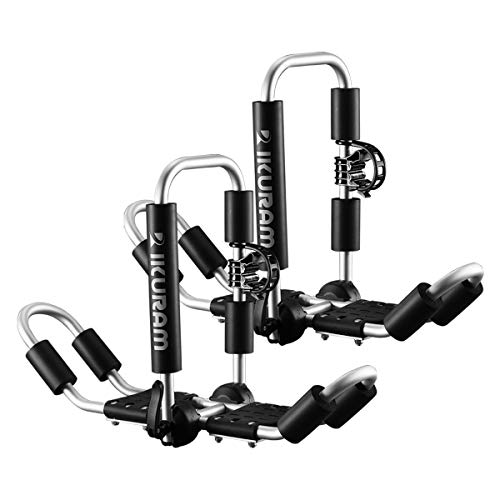


 Best 5 Kayak Bed Racks for Toyota Tacoma
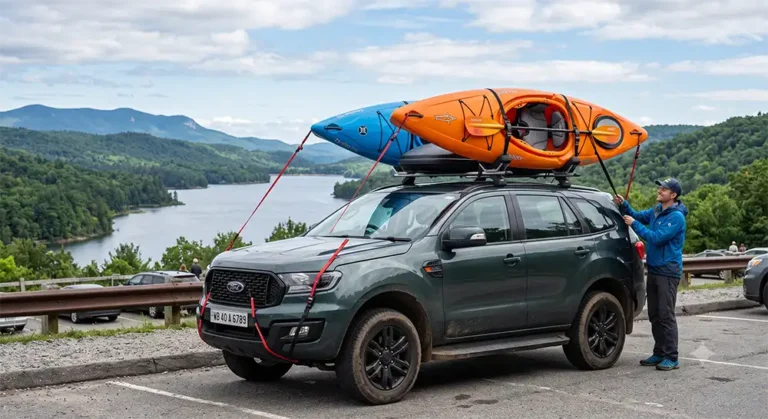 Best 5 Kayak Racks for SUV for Single Loader
 Best 5 Kayak Racks for Buick Regal