We may earn a commission when you buy through our links, at no extra cost to you.
How to Choose the Best 5 Kayak Paddles Under $100
Finding affordable kayak paddles ain’t hard, but picking the right one for long paddling days? Bit tricky, yeah. Specially if you’re new and ain’t sure what to check. That’s where knowing what actually matters come in handy — blade shape, paddle length, shaft material, and how it suits your kayaking style.
You don’t wanna buy junk that breaks next season or worse, blisters your hands all weekend. Lotta paddles around $30–$99 will look same but perform very diff’rently when it’s time to hit the lake, river, or even mild whitewater.
Blade Material & Shape
So, you seen those wide plastic blades and think they all’s same? Nah. Asymmetrical blades help reduce fatigue ‘cause they cut water better. You go long? That shape saves your shoulders later on.
Then comes material. At this price, you’ll mostly get polypropylene, maybe reinforced with fiberglass sometimes. It ain’t fancy like carbon, but for a beginner or budget paddler, it’s solid. Thicker ones push more water, which can help if you’re in a sit-on-top kayak carrying gear.
Oh, and dihedral blades? They keep water from fluttering off, meaning smoother strokes. That’ll matter more than ya think after 3 hours paddling ‘gainst wind.
Paddle Length
Too short, and you’ll splash like crazy. Too long, and you’re wasting energy lifting it up every time. It depends mostly on your height and kayak width.
As a lazy rule, if you’re short and got a narrow kayak — go near 210-220 cm. Taller folks in wide recreational kayaks? 230–240 cm gonna be safer bet. Most budget paddles let you adjust angle but not the length, so buy what fits from start.
Oh, and some paddles come 2-piece or 4-piece. If you’re packing stuff for inflatable kayaks, 4-piece makes your life a lot less messy.
Shaft Material
A cheap shaft can feel like steel pipe wrapped in regret. But some $70–$90 ones use aluminum with plastic grips or even fiberglass composite. If you paddle in summer heat or cold mornings, grip texture matters.
You’ll feel it after just 30–40 mins — cheap slippery shafts will annoy the hell outta your palms. Look for ovalized grips or even foam sleeves. Ain’t just for comfort, they reduce stress on wrists too. Might sound small, but it adds up.
Some folks sweat a lot too. In that case, rougher surface helps. Not pretty, but way better than constantly losing hold mid-stroke.
Feathering Options: Does It Matter at This Price?
If you kayak often or paddle against wind, feathered blades are a big help. Most sub-$100 paddles offer 0° and 60° offset. That’s enough for casual trips or even weekend camping.
Feathering angle lets ya twist one blade so it don’t catch wind. Some paddles let you choose the angle manually, others only offer two settings. For the price, if it has 60° feathering, that’s good enough for lakes, bayous, even slow-flowing rivers.
Just check the locking mechanism. Snap-buttons are common and usually sturdy, but they can wear down over time. Look for push-button connectors made of stainless steel if you planning to kayak in salty water.
Best Use Cases
Some paddles look decent, but they ain’t meant for whitewater kayaking. You ain’t gonna use a $60 paddle to beat up Class III rapids every weekend. Be honest about how rough you plan to go.
For chill lake paddling or slow river floats, most under-$100 paddles are gonna work just fine. You ain’t need carbon shaft and featherlight weight unless you’re racing or long-touring.
If you carry extra gear, like coolers or fishing crates, go with heavier-duty blade designs. Otherwise they might flex too much during wide strokes. Recreational kayaks tend to sit higher on water too, so longer shaft may help avoid water dripping into the cockpit.
Extra Tips Before You Buy One
You ain’t just buying a stick with flaps. Think ’bout your hand size. Bigger hands might prefer thicker shafts, else the grip gets weird. Also, weight—try keeping it around 30–36 oz. Lighter ones won’t kill your arms after 2–3 hours.
Also, check paddle reviews for noise. Some budget paddles rattle where the two halves meet. Might sound small but after 10k strokes, gets annoying real fast. Plus, you’ll spook fish if you’re kayak fishing.
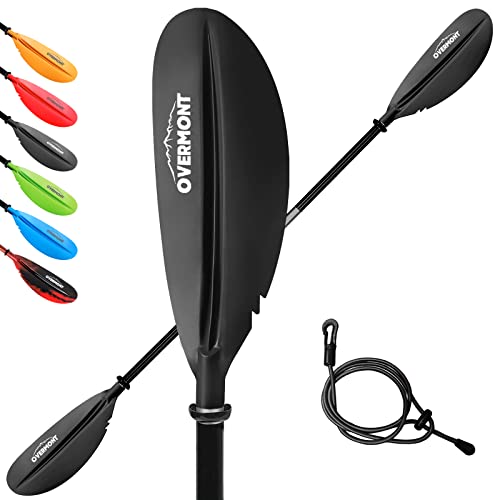
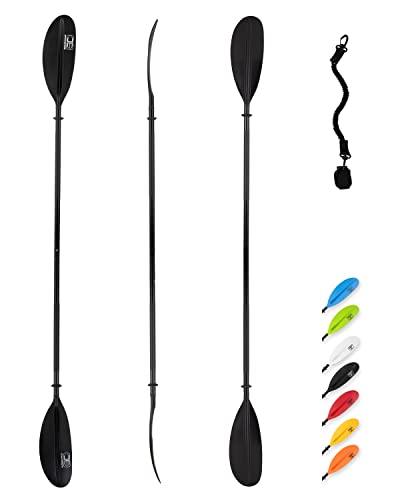
Many brands like Pelican, SeaSense, Leader Accessories, BENDING BRANCHES, or AQUA BOUND offer decent budget paddles. Some come with drip rings, which helps stop water running down shaft into your lap — small detail, big difference.





 Best 5 Waterproof Phone Cases for Kayaking
 Best 5 Kayak Anchor and Push Poles
 Best 6 Kayak Paddles Under $200