We may earn a commission when you buy through our links, at no extra cost to you.
How to Choose the Best Waterproof Backpacks for Kayaking
Kayaking’s messy. Things get soaked, gear rolls around, and you’re often stuck mid-river with zero options. So, if your stuff ain’t packed right, good luck finding your phone still working by lunchtime. Waterproof backpacks for kayaking aren’t just a nice-to-have. You really do need ’em.
Why a Normal Backpack Won’t Cut It
Regular bags? They soak up water faster than paper towels. Zippers rust, fabric tears, and worst part—stuff inside stays wet long after you’re back on land. You’ll ruin electronics, extra layers, snacks… All of it. You might think tossing gear in a trash bag inside your backpack works—it won’t when the whole bag goes under.
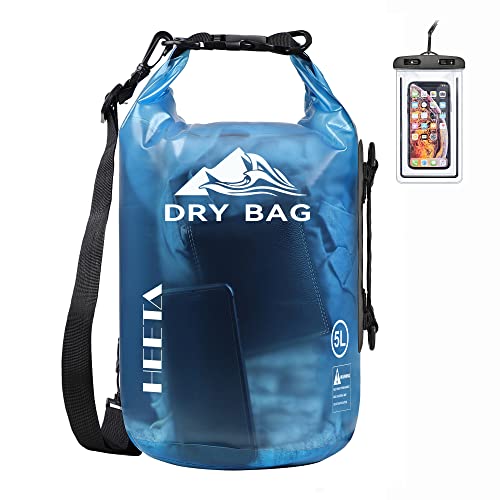
Now the good ones? They’re built different. Dry bags, roll-top backpacks, and IPX-rated gear actually block water out, even if you capsize. Yeah, they cost more. But so does replacing a soaked camera.
Check the Waterproof Rating – Not All “Waterproof” Is the Same
Here’s where it gets messy. A lot of bags say waterproof, but the label don’t always match real life. You wanna check IP ratings (Ingress Protection). For kayaking, IPX6 or IPX7 is a decent starting point.
- ✅ IPX4 handles splashes.
- ✅ IPX6 resists powerful jets.
- ✅ IPX7 survives full submersion, up to 1 meter for 30 minutes.
But don’t just go off that. Sometimes, brands slap an IPX7 sticker on and skip the stitching quality. Water still gets in through seams if they’re not sealed right.
Roll-Top vs. Zipper Closure – What Actually Works?
Zippers are fast, but even YKK waterproof zippers can leak after a few rough trips. Roll-top closures, on the other hand, make a tight seal when rolled correctly. Problem is, they’re annoying to open and close constantly. But if you’re in a lot of splash zones or flipping in whitewater, roll-tops usually hold up better.
Material Matters – Not All Tarpaulin Is Equal
Most kayaking dry bags use PVC tarpaulin, nylon with TPU coating, or heavy-duty polyester. Tarpaulin bags feel tougher, usually more rigid. Nylon ones are lighter, but you gotta check if it’s ripstop—without that, a sharp paddle blade or tree branch can rip right through.
Don’t fall for just the shiny color. You’ll want stuff that holds its shape, doesn’t stretch too much, and ain’t prone to mildew. A lot of cheaper bags stink after a few uses. Literally.
Backpack Comfort – You’ll Regret Skipping This Part
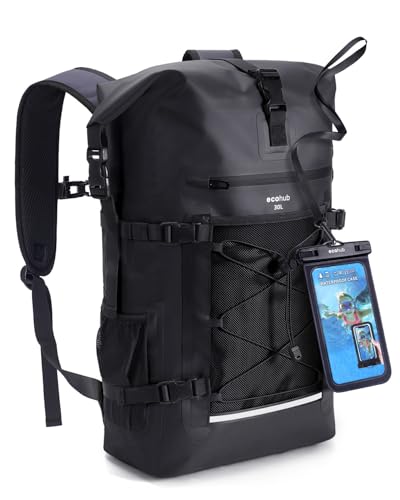
People forget about comfort. Big mistake. Even if your kayak’s doing most of the work, you still carry your gear to the shore, campsites, maybe even hiking a bit. So look for:
- ✅ Padded shoulder straps
- ✅ Sternum straps
- ✅ Ventilated back panels
- ✅ Some even come with removable waist belts, helps balance heavier loads
If you’re doing a multi-day paddle trip, carrying a 25L or 35L kayaking waterproof backpack with no padding? Enjoy the bruises. Or don’t.
Storage & Organization – Kayak Space Ain’t Unlimited
Not just about volume. Yeah, 20L is good for short trips, but longer ones you’re looking at 30L to 40L. Some bags have inner pouches or water-resistant compartments for phones, tools, food. Others don’t. You decide how chaotic you want your bag to feel.
If your kayak doesn’t have much onboard storage, then bags with external tie-down loops, D-rings, or bungee cords help. You can lash ‘em to deck lines. Just don’t overpack—the higher your center of gravity, the more likely you’ll flip.
Real-World Stuff Most People Don’t Talk About
- ✅ Bags with clear panels? Handy. You don’t wanna be rummaging every five mins for sunscreen.
- ✅ Reflective strips can help in low light, specially if you’re paddling near dusk.
- ✅ Some models float, some don’t. Weirdly, not all waterproof kayak backpacks are buoyant.
- ✅ Check if your backpack has air purge valves—lets you compress the air out for smaller packing.
Brands That Get It Right
You’ll see names like Sea to Summit, YETI, OverBoard, Earth Pak, and FE Active a lot. Not all expensive ones are better though. Plenty of off-brand models with solid build and welded seams too. Just don’t grab something that looks like a school bag with a plastic lining—those ain’t built for rapids.
Final Things That Save You Later
- ✅ Test the bag before using. Drop it in your bathtub or bucket.
- ✅ Use dry bag inserts for small electronics. Extra layer never hurts.
- ✅ Avoid bright neon orange unless you wanna look like a traffic cone. But yeah, visibility is good.
You won’t need everything on a checklist. But if the bag fails once, you’re probably gonna hate kayaking for a while. Waterproof ain’t just about staying dry—it’s about keeping your gear working, your trip smooth, and your hands free from babysitting your stuff every five minutes.
Just don’t wait until your first flip to learn what bag you should’ve bought.





 Best 6 Kayak Anchors
 Best 5 Kayak under $300
 Best 7 Kayaks Under $500